At the World Health Summit 2026 in Berlin, EAP and EHAA are hosting a dedicated side meeting, in collaboration with WHO/Europe, ESPGHAN, EFAD, EAN and ESR, to put children’s health and rights at the centre of alcohol policy.
Alcohol-related harm in children is about much more than underage drinking. It can begin before birth, affect children growing up in families where alcohol misuse is present, and continue into adolescence, when the developing brain is particularly vulnerable. Yet children are not always at the centre of discussions about alcohol policy and prevention.
Today, 11 October 2026, the European Academy of Paediatrics (EAP) and the European Health Alliance on Alcohol (EHAA) are hosting a dedicated side meeting at the World Health Summit in Berlin, bringing together leading European health organisations to address this challenge.
For paediatricians, the consequences of alcohol exposure can appear in many different forms:
Before birth: Prenatal alcohol exposure can have lifelong neurodevelopmental and other health consequences, including Fetal Alcohol Spectrum Disorder (FASD).
During childhood: Parental alcohol misuse can contribute to adverse childhood experiences, neglect, violence and disrupted family environments.
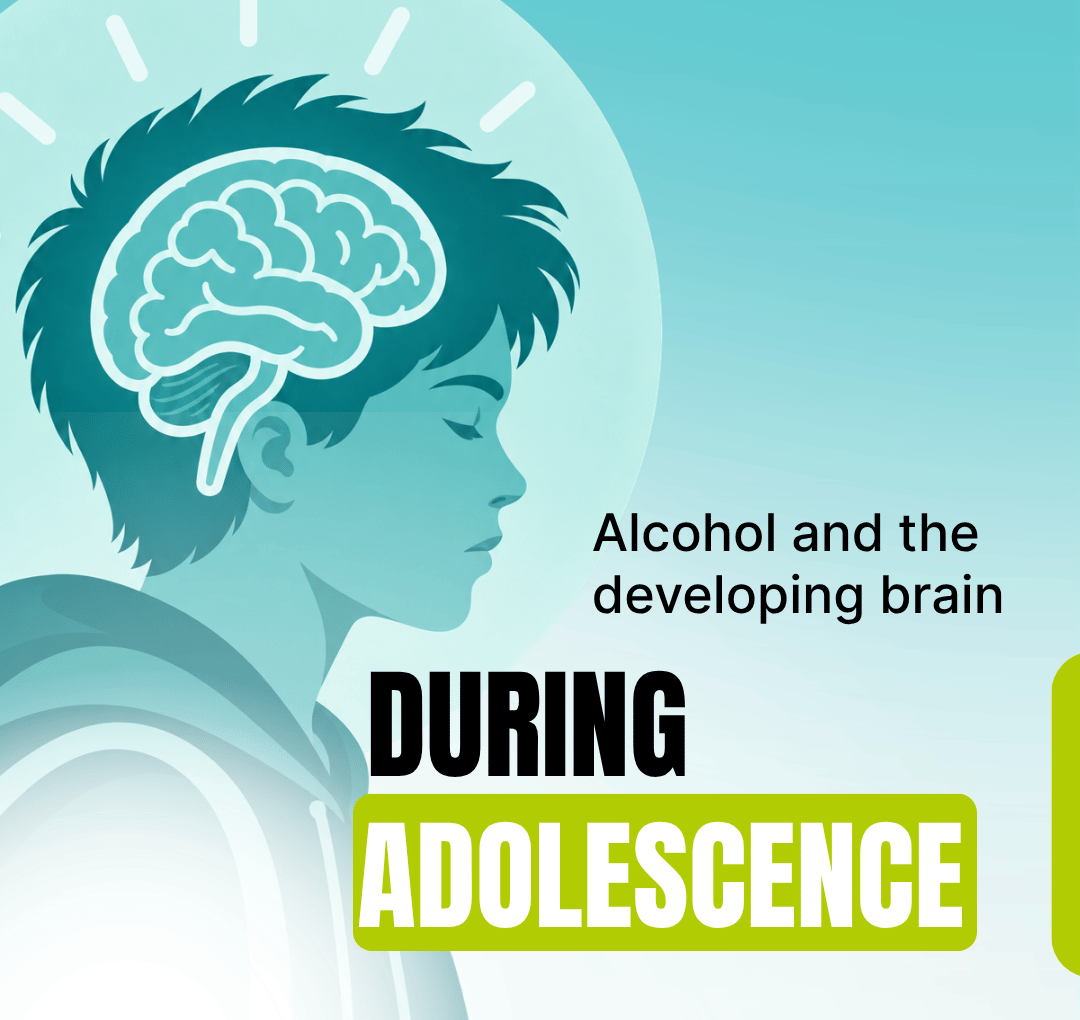
During adolescence: Alcohol use can affect the developing brain and contribute to neurological, cognitive and mental-health risks.
Across multiple systems: Alcohol-related harm can involve neurological, gastrointestinal, hepatic, nutritional, metabolic and developmental health.
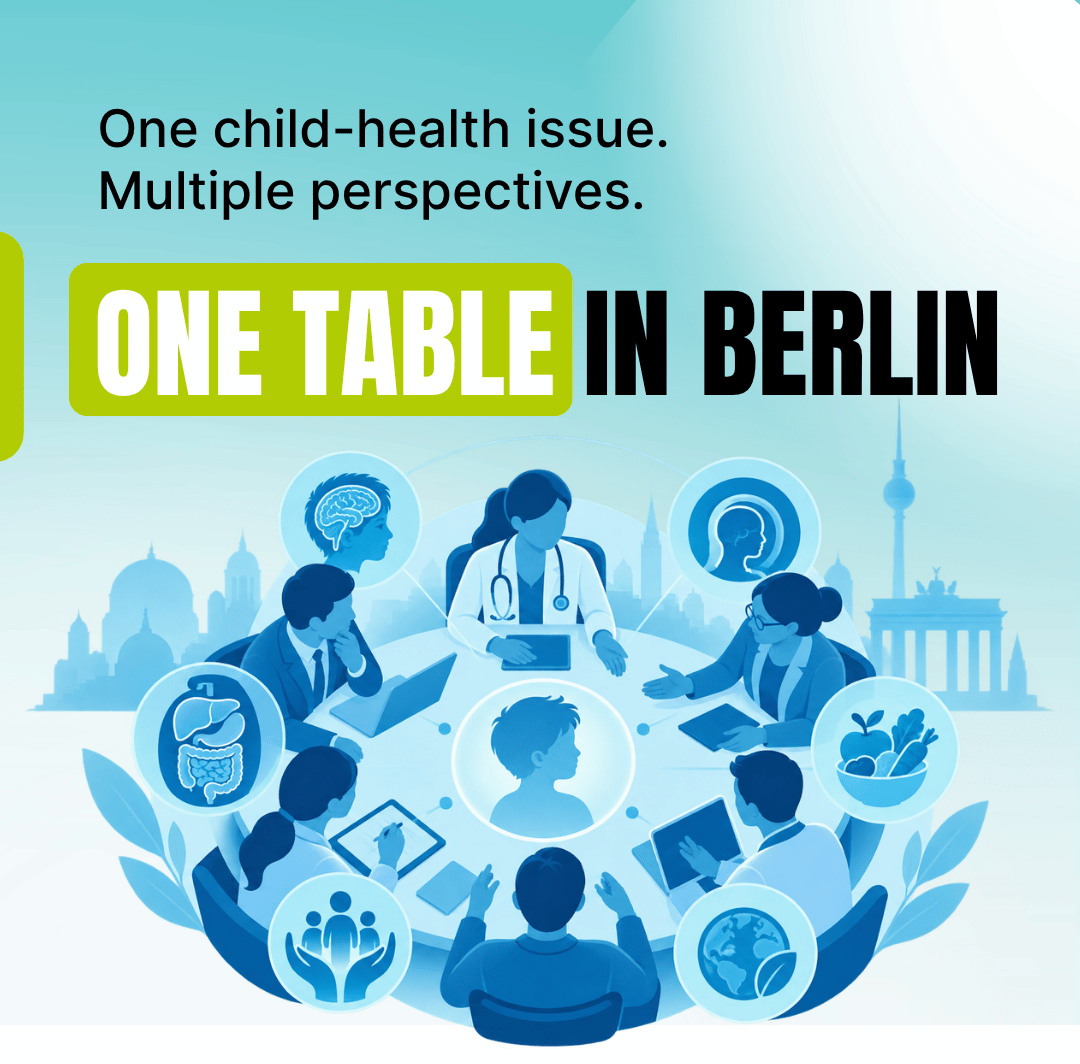
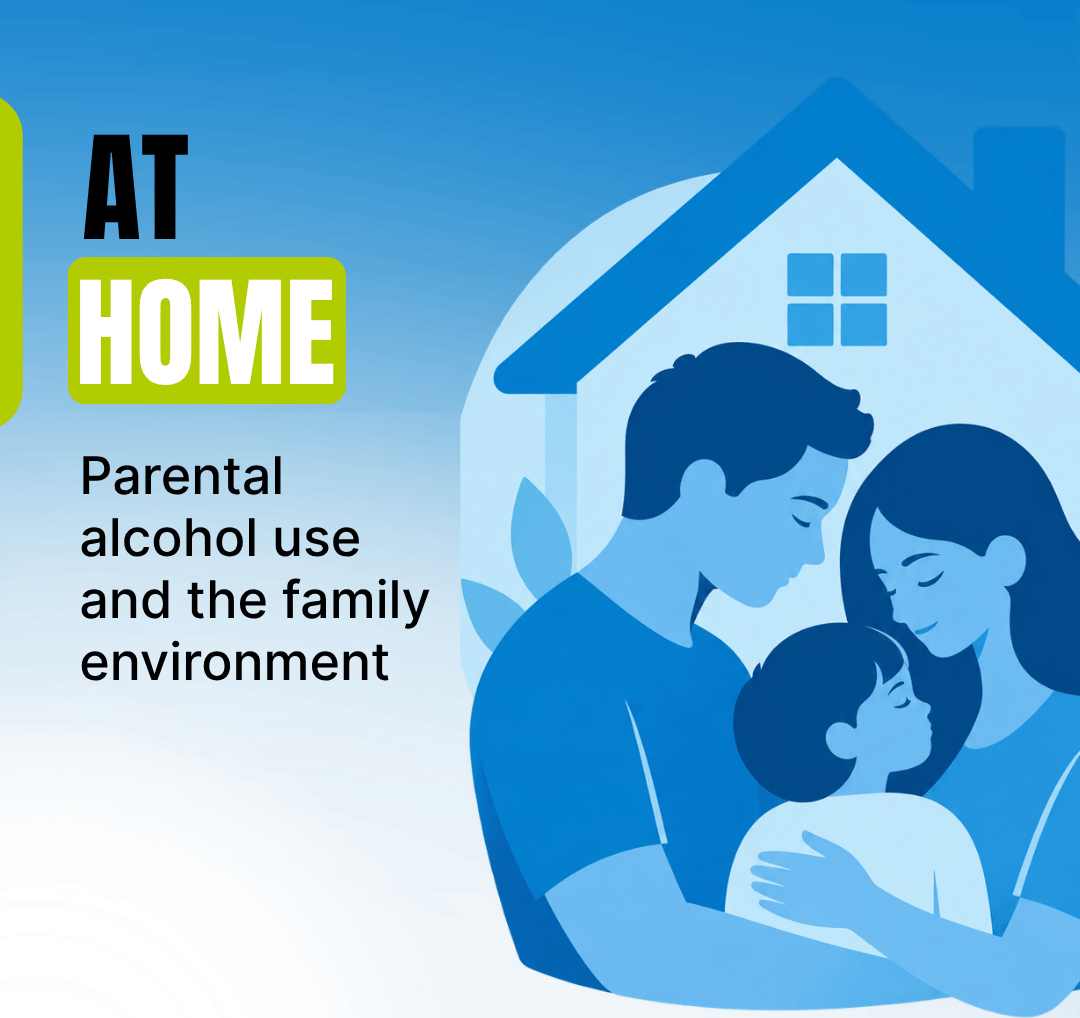
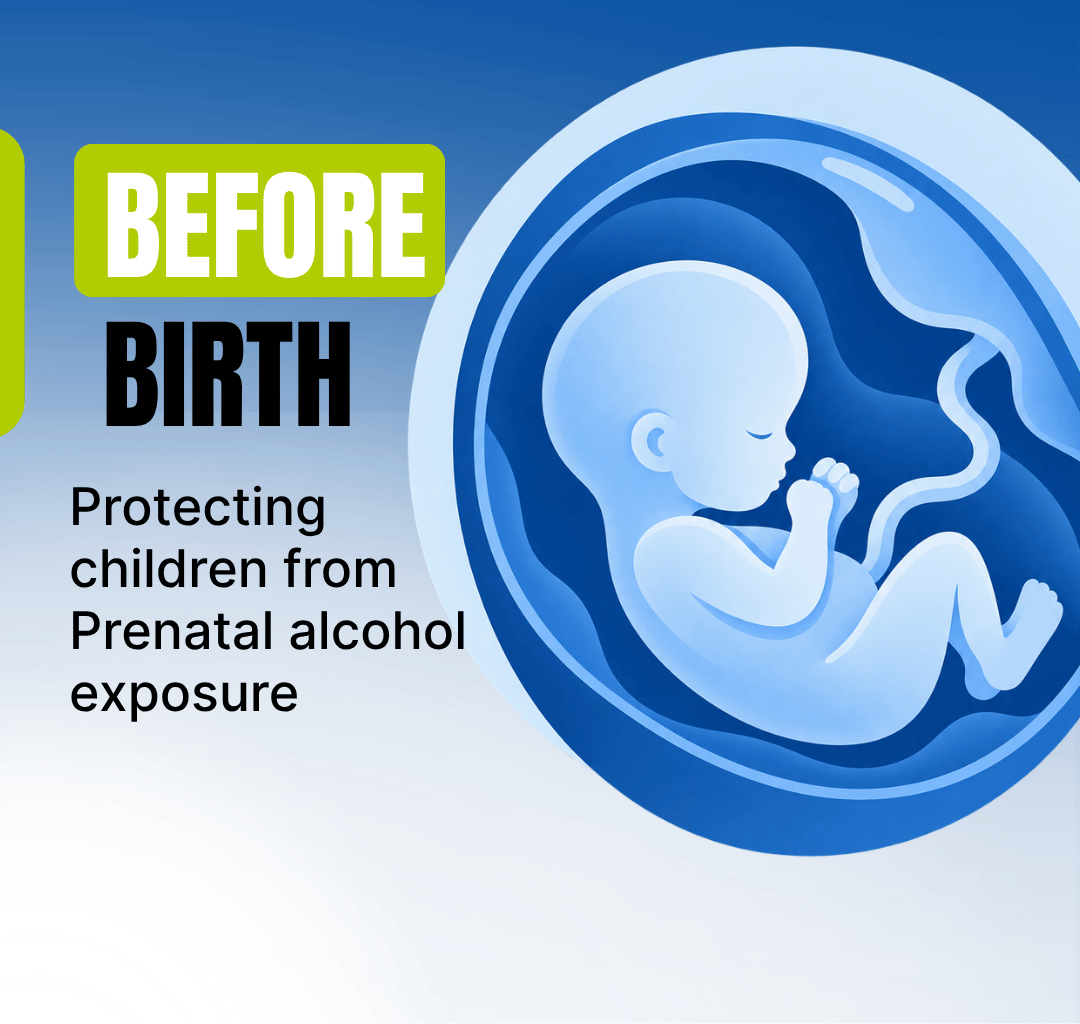
These consequences often cross the boundaries of individual specialties. Recognising, preventing and addressing them requires a coordinated approach.

New ways to test high-risk medical devices.
Manufacturers of medical devices need to test their products before being allowed to market them. Specifically, they require clinical data showing their medical device is safe and efficient. In this context, the EU-funded CORE-MD project will translate expert scientific and clinical evidence on study designs for evaluating high-risk medical devices into advice for EU regulators. The project will propose how new trial designs can contribute and suggest ways to aggregate real-world data from medical device registries.
It will also conduct multidisciplinary workshops to propose a hierarchy of levels of evidence from clinical investigations, as well as educational and training objectives for all stakeholders, to build expertise in regulatory science in Europe. CORE–MD will translate expert scientific and clinical evidence on study designs for evaluating high-risk medical devices into advice for EU regulators, to achieve an appropriate balance between innovation, safety, and effectiveness. A unique collaboration between medical associations, regulatory agencies, notified bodies, academic institutions, patients’ groups, and health technology assessment agencies, will systematically review methodologies for the clinical investigation of high-risk medical devices, recommend how new trial designs can contribute, and advise on methods for aggregating real-world data from medical device registries with experience from clinical practice The consortium is led by the European Society of Cardiology and the European Federation of National Associations of Orthopaedics and Traumatology, and involves all 33 specialist medical associations that are members of the Biomedical Alliance in Europe.