EAP and EMA Collaborate to Strengthen Vaccine Confidence Across Europe
Latest Updates
About Vaccine Essentials - an EAP-EMA Collaboration
EMA has set up a new advisory group on vaccine confidence, which will advise the Agency on issues related to vaccine hesitancy and help guide its actions to increase science outreach in this area. This panel, made up of over 20 high-level European and international experts, meets for the first time on 29 April.
The advisory group, which includes Hans Jürgen Dornbusch (Immunization SAG Chair), Stefano del Torso (EAP Excecutive Director and EAPRASnet Steering Committee) and Zoi Dorothea Pana (Active member of the Immunization SAG) will advise on further issues of Vaccine Essentials.
The first Vaccine Essentials focuses on meningococcal B (MenB) vaccines and has been co-created with the European Academy of Paediatrics (EAP).
The main objectives of the advisory group are to:
advise on and contribute to the environmental analysis related to the status of vaccine hesitancy
advise on EMA’s ongoing initiatives to increase vaccine confidence
contribute to improving EMA’s communication to the public on the benefits and risks of vaccines
help amplify the Agency’s science outreach and public health messages
The advisory group on vaccine confidence is part of EMA’s Vaccine Outreach Strategy, a wider approach to increase knowledge and trust in the quality, safety and effectiveness of vaccines, and empower the EU public and healthcare professionals to take well-informed vaccination decisions.
Actions include identifying and addressing public concerns that may affect confidence, collaborating with healthcare professionals and public health initiatives, as well as developing communication materials and campaigns on vaccines.
About Vaccine Essentials - an EAP-EMA Collaboration
The European Medicines Agency (EMA), in collaboration with European healthcare professional organisations and learned societies, including the EAP Immunisation Strategic Advisory Group, is introduced a new communication tool on vaccines in 2026: Vaccine Essentials.
This initiative focuses on key topics in vaccine science and regulation, including the use of real-world data, and aims to address common questions and information gaps identified by healthcare professionals. It also highlights how vaccines contribute to reducing the burden of infectious diseases.
The first Vaccine Essentials focuses on meningococcal B (MenB) vaccines and has been co-created with the European Academy of Paediatrics (EAP).
The Meningococcal B vaccines represent a success story on the prevention of a very serious disease mainly affecting infants and teenagers. In clinical practice, in a child with fever, if all meningococcal immunisation is up-to-date, the risk of severe illness or meningitis is really low.
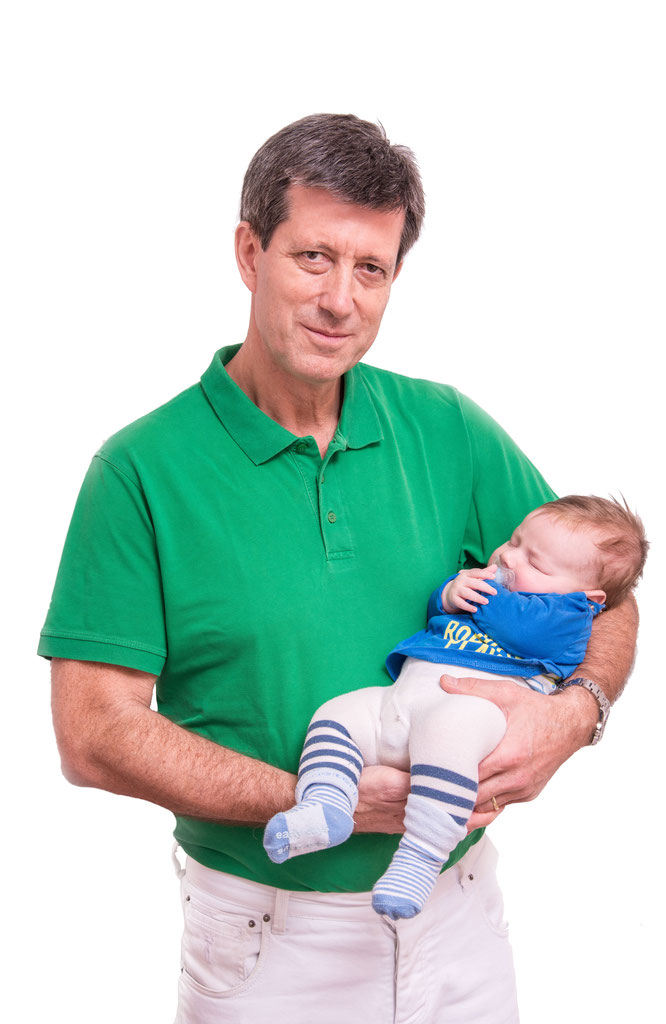
Dr. Hans J. Dornbusch
Paediatrician, Chair of the Immunisation EAP SAG
Visit the EMA Website
Explore the Vaccine Essentials resource on the EMA website, including future topics and updates
Coordinating Research and Evidence for Medical Devices (CORE-MD)
New ways to test high-risk medical devices.
Manufacturers of medical devices need to test their products before being allowed to market them. Specifically, they require clinical data showing their medical device is safe and efficient. In this context, the EU-funded CORE-MD project will translate expert scientific and clinical evidence on study designs for evaluating high-risk medical devices into advice for EU regulators. The project will propose how new trial designs can contribute and suggest ways to aggregate real-world data from medical device registries.
It will also conduct multidisciplinary workshops to propose a hierarchy of levels of evidence from clinical investigations, as well as educational and training objectives for all stakeholders, to build expertise in regulatory science in Europe. CORE–MD will translate expert scientific and clinical evidence on study designs for evaluating high-risk medical devices into advice for EU regulators, to achieve an appropriate balance between innovation, safety, and effectiveness. A unique collaboration between medical associations, regulatory agencies, notified bodies, academic institutions, patients’ groups, and health technology assessment agencies, will systematically review methodologies for the clinical investigation of high-risk medical devices, recommend how new trial designs can contribute, and advise on methods for aggregating real-world data from medical device registries with experience from clinical practice The consortium is led by the European Society of Cardiology and the European Federation of National Associations of Orthopaedics and Traumatology, and involves all 33 specialist medical associations that are members of the Biomedical Alliance in Europe.