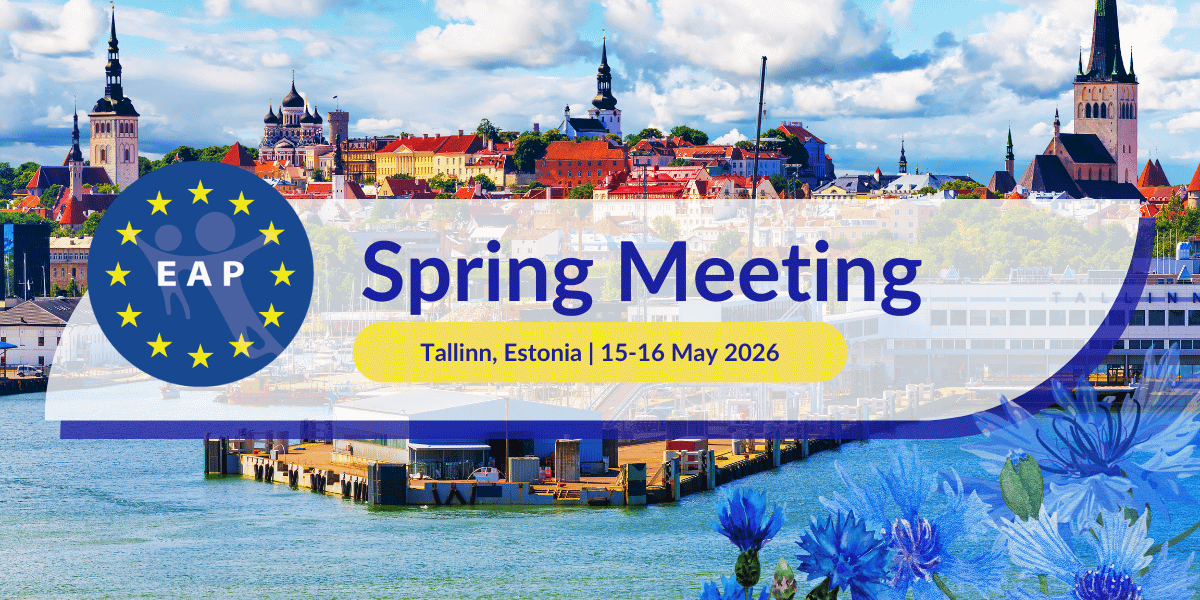
EAP Spring Meeting 2026 in Tallinn: Collaboration, Child Health and a City Looking to the Future
EAP Spring Meeting 2026 | 🐝The Hive of Paediatrics
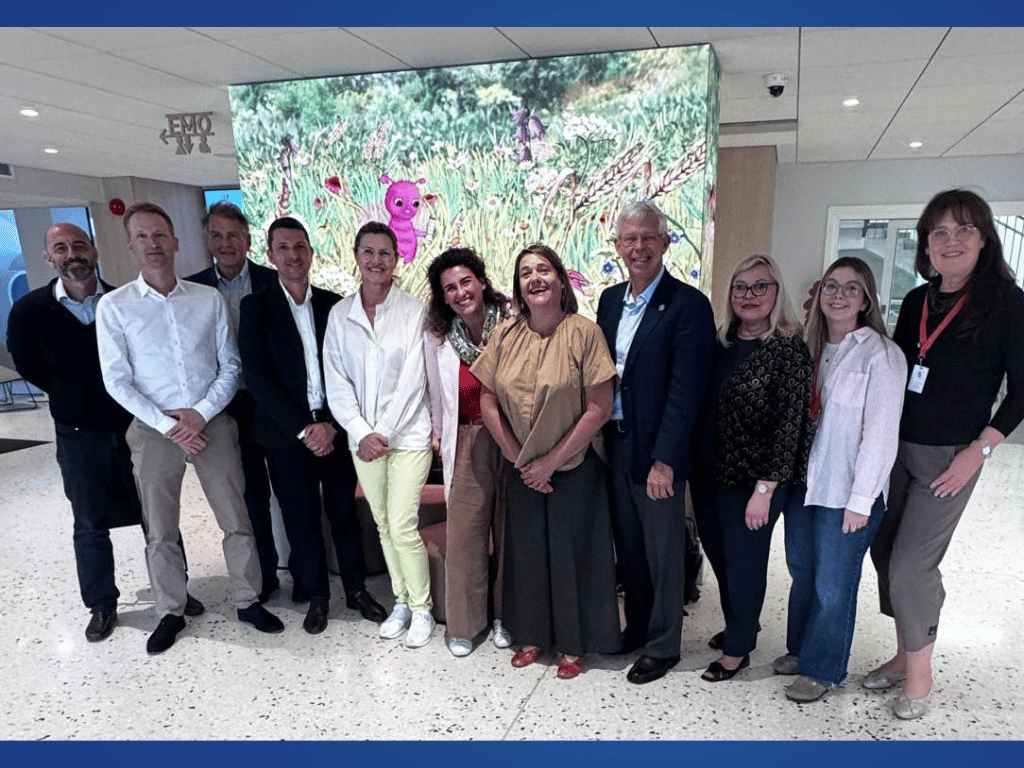
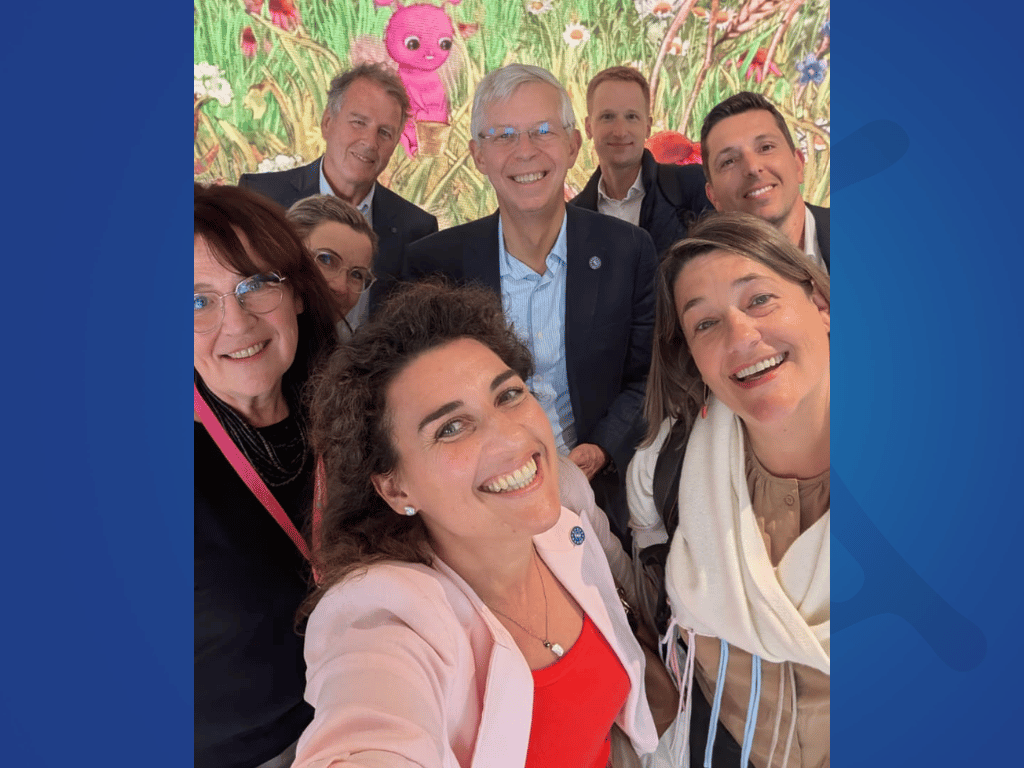
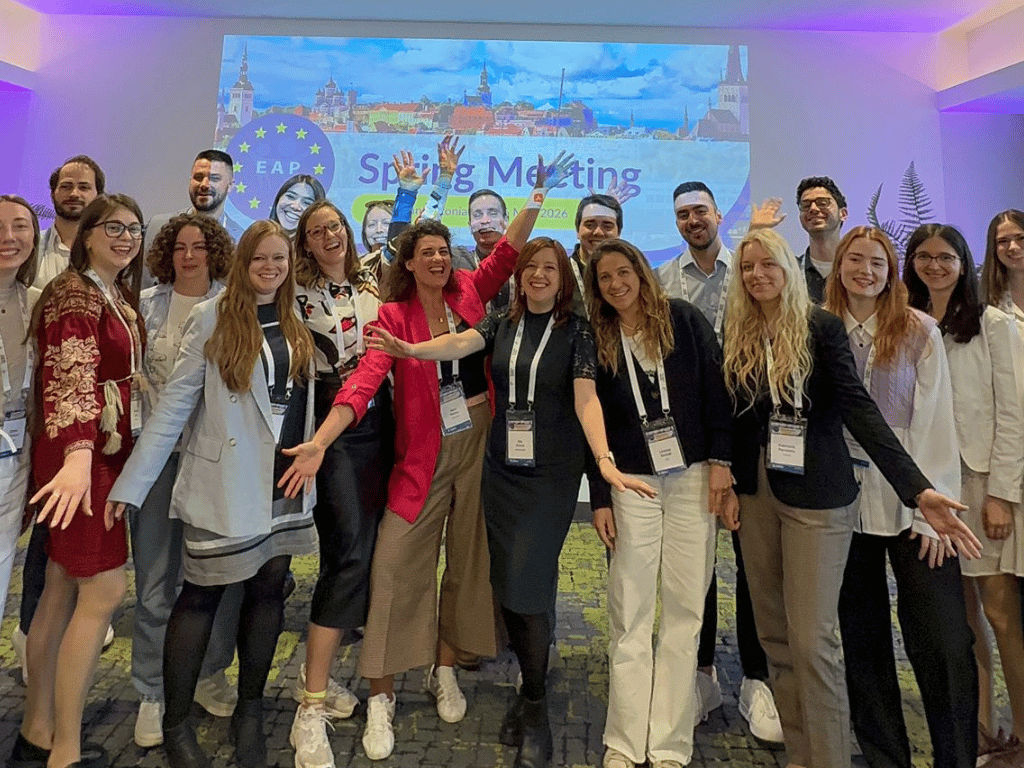
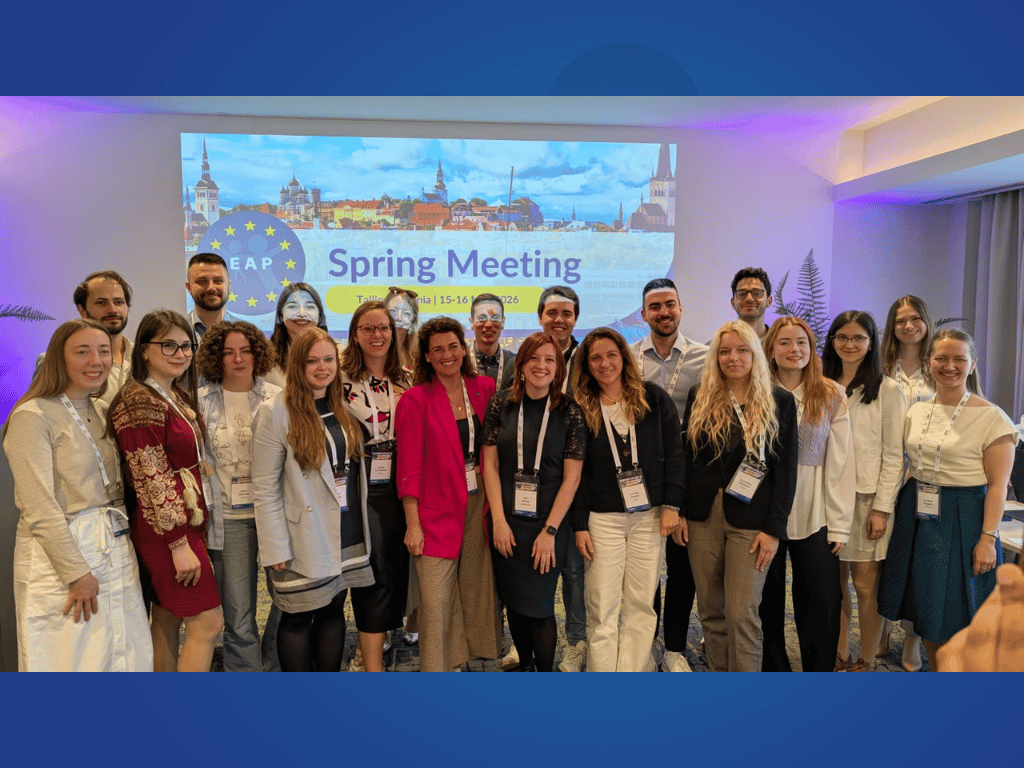
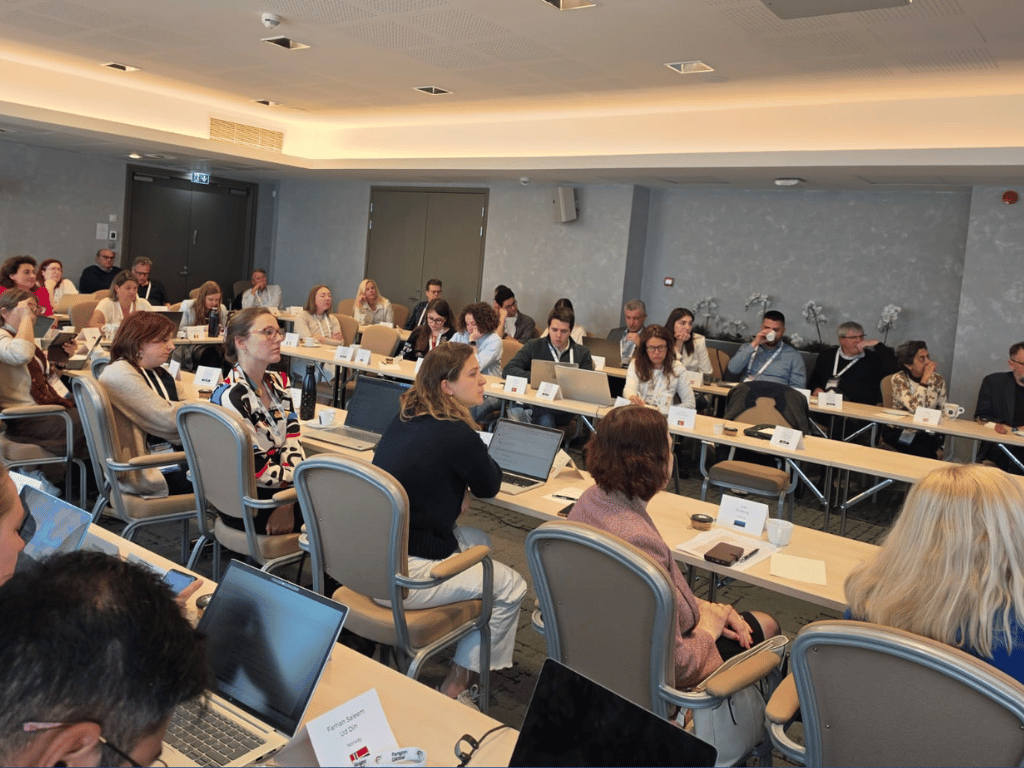
The European Academy of Paediatrics gathered in Tallinn, Estonia, on 15–16 May 2026 for the EAP Spring Meeting, bringing together more than 50 participants from across the EAP network. National Delegates, Executive Committee members, council representatives, Strategic Advisory Group chairs, Young EAP members and invited partners came together for two days of discussion, exchange, governance and collaboration.
Hosted in close cooperation with the Estonian Paediatric Association and supported by the City of Tallinn, the meeting offered much more than a formal programme. It created space to reconnect, share progress, revisit shared priorities and explore how paediatricians can contribute not only to better healthcare, but also to healthier communities, cities and environments for children.
EAP extends sincere thanks to the Estonian Paediatric Association, the City of Tallinn, and the local team whose support helped make the Spring Meeting such a warm and successful gathering. Special appreciation is extended to Chris Pruunsild, EAP National Delegate for Estonia, and Agne Annist of Celsius Healthcare, for their commitment, coordination and generous support before and during the meeting. Their efforts helped ensure that participants were welcomed not only to a well-organised professional meeting, but also to a meaningful experience of Tallinn and its paediatric community.
Connecting with the local paediatric community
The Spring Meeting began with a pre-meeting programme on Thursday, including Executive Committee discussions and a visit to Tallinn Children’s Hospital. The visit provided an opportunity to hear more about paediatric care in Estonia and to exchange views on current and future challenges in child and adolescent health.
The lecture programme included discussions on the influence of different forms of addiction on children’s health, the future of paediatrics in Europe, and early identification of cardiovascular risk through hyperlipidaemia screening. This local engagement set the tone for the wider meeting: practical, open, collaborative and focused on the realities facing children, families and paediatricians across Europe.
Sharing progress across EAP’s work | SAG's
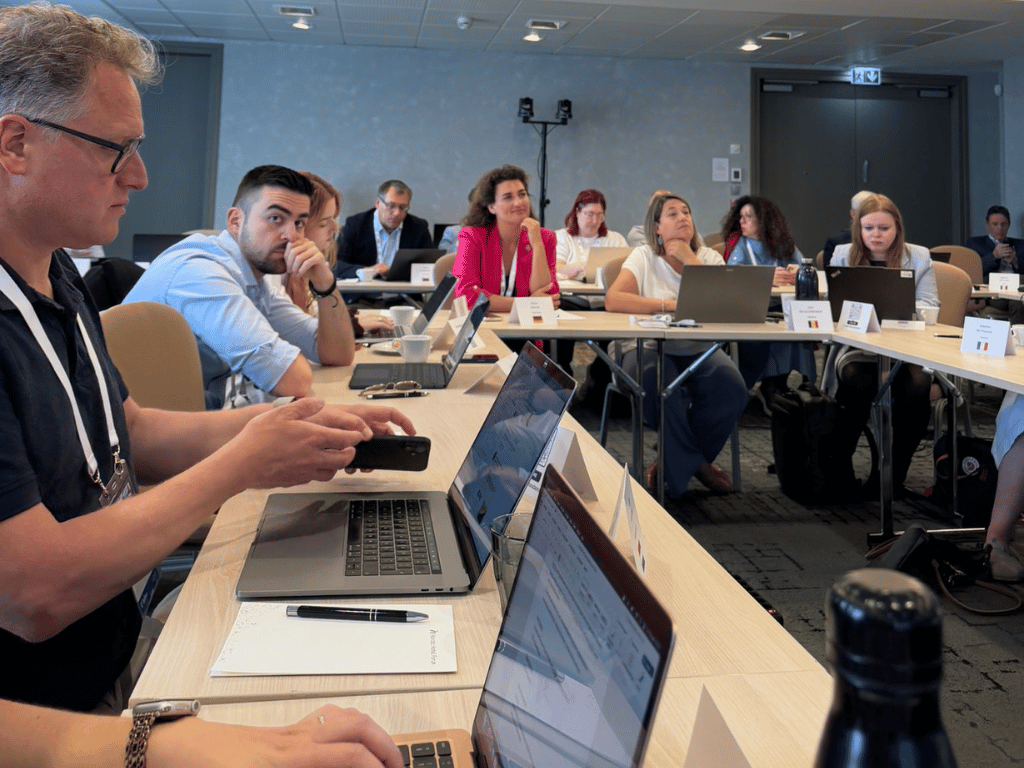
A lively meeting format that encouraged participation
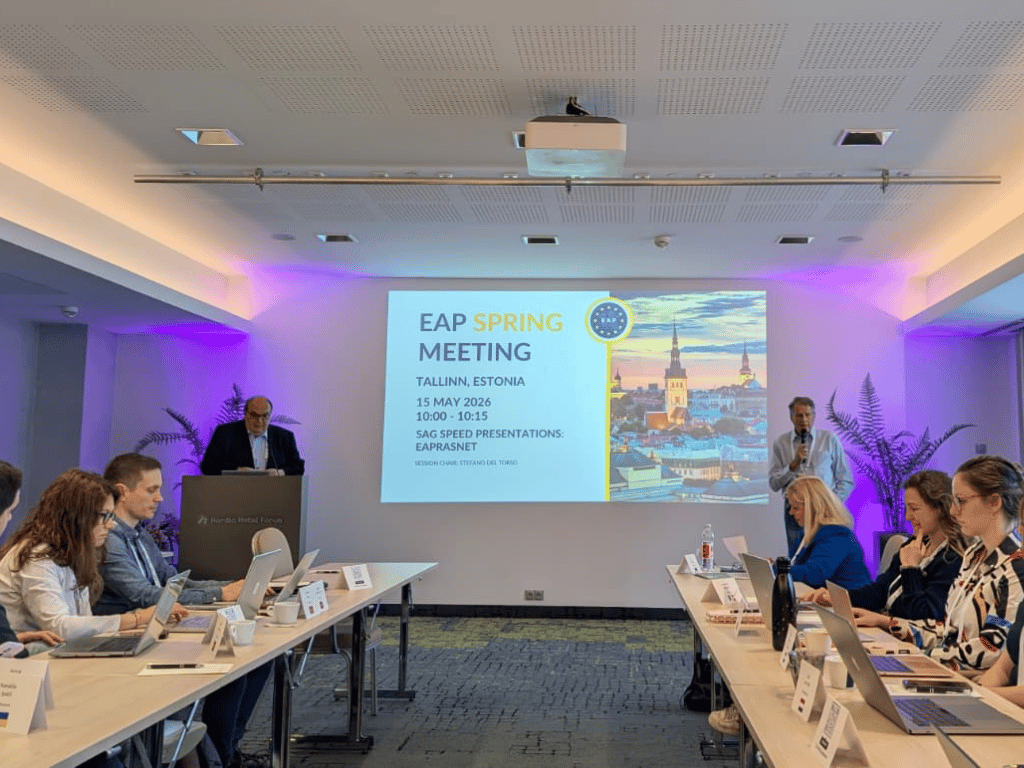
Throughout the morning, participants heard how EAP’s different groups are moving forward with projects that address both everyday paediatric practice and wider European child health priorities.
Young EAP highlighted its continued growth and its increasing role across EAP activities, including education, research, governance, communication and collaboration with international partners. Particular attention was given to Paed-STEP, the Europe-wide survey exploring paediatric residency structures, working conditions and preparedness, which had already received more than 1,600 responses from approximately 46 countries at the time of the meeting.
EAPRASnet presented plans for an updated European survey on childhood obesity management in primary care, aiming to better understand how paediatricians and primary care practitioners assess, diagnose and support children living with overweight and obesity.
Other updates showed strong progress in areas such as adolescent medicine and health training, rare and undiagnosed diseases, Choosing Wisely implementation, refugee and migrant child health, clinical ethics, climate and planetary health, and European training structures. Together, these sessions demonstrated the breadth of EAP’s work and the value of bringing different groups into the same room to identify shared priorities and possible collaborations.
Tallinn Talks: Shaping Healthier Cities for Children & a Choosing Wisely Surpise
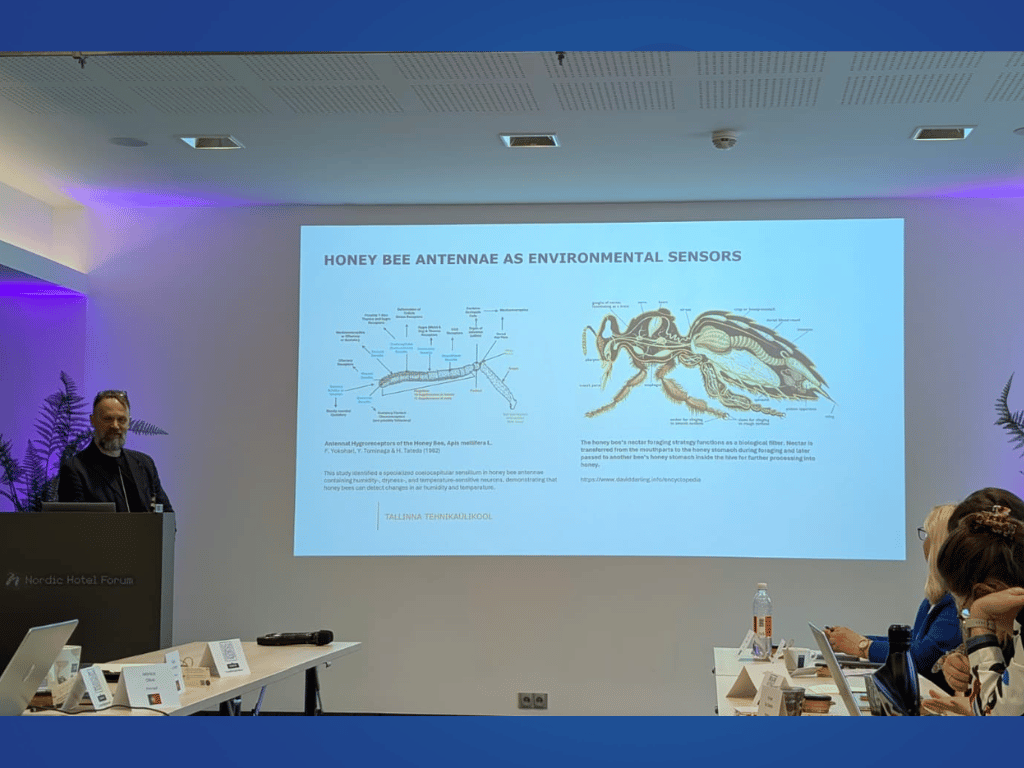
One of the highlights of the meeting was the special afternoon session “Tallinn Talks: Shaping Healthier Cities for Children”, organised in collaboration with the Estonian Paediatric Association and the City of Tallinn.
The session brought together city, environmental, architectural and paediatric perspectives. Rather than focusing only on healthcare settings, the discussion invited participants to think about the places where children live, learn, play and grow. How can urban planning, public health, environmental quality, housing materials, schools and green spaces contribute to better child health? How can paediatricians help bring children’s needs into city-level decision-making?
The programme included expert inputs, interactive discussion and reflections on how healthier cities can support healthier childhoods. The session also explored environmental health, indoor and outdoor spaces, healthy building materials, air quality, climate, biodiversity and the role of paediatricians in advocating for child-centred urban environments.
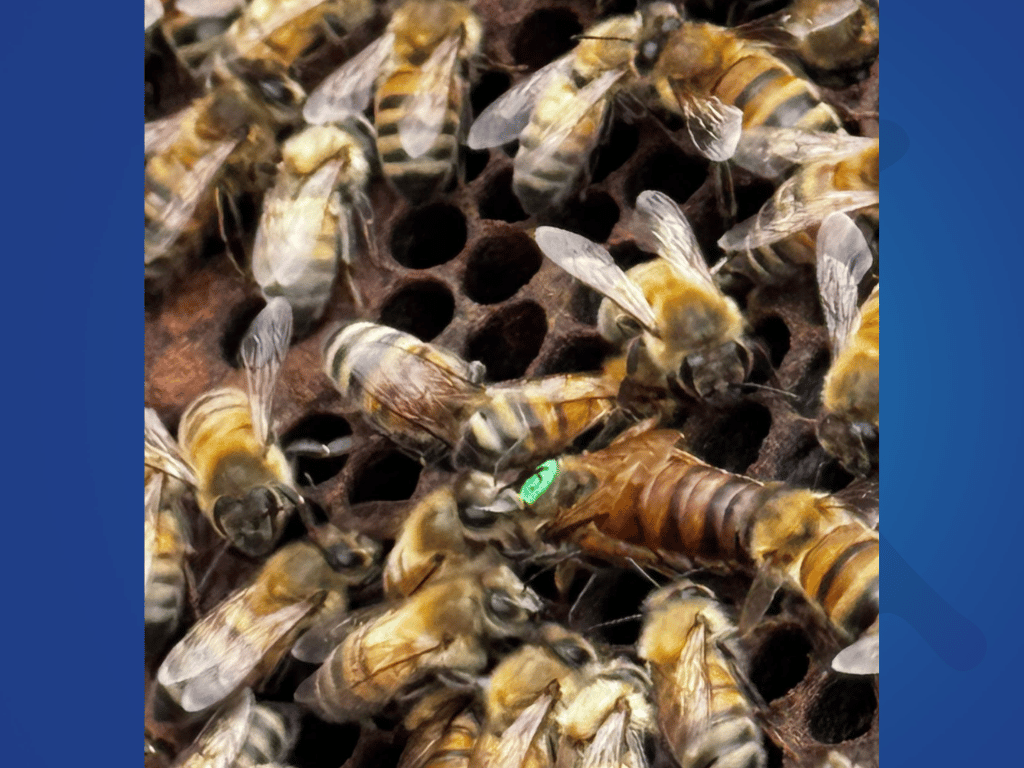
The afternoon concluded with a visit to the rooftop beehives at the Nordic Hotel Forum, connecting the meeting’s discussions on environment, biodiversity and child health with a memorable local experience.
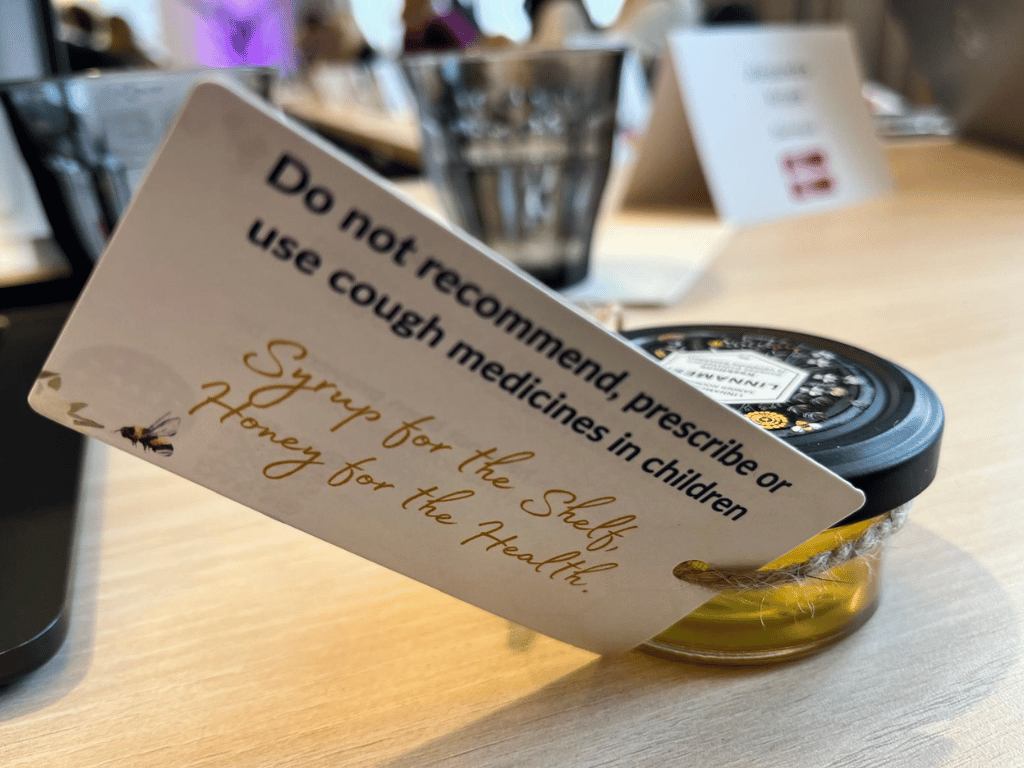
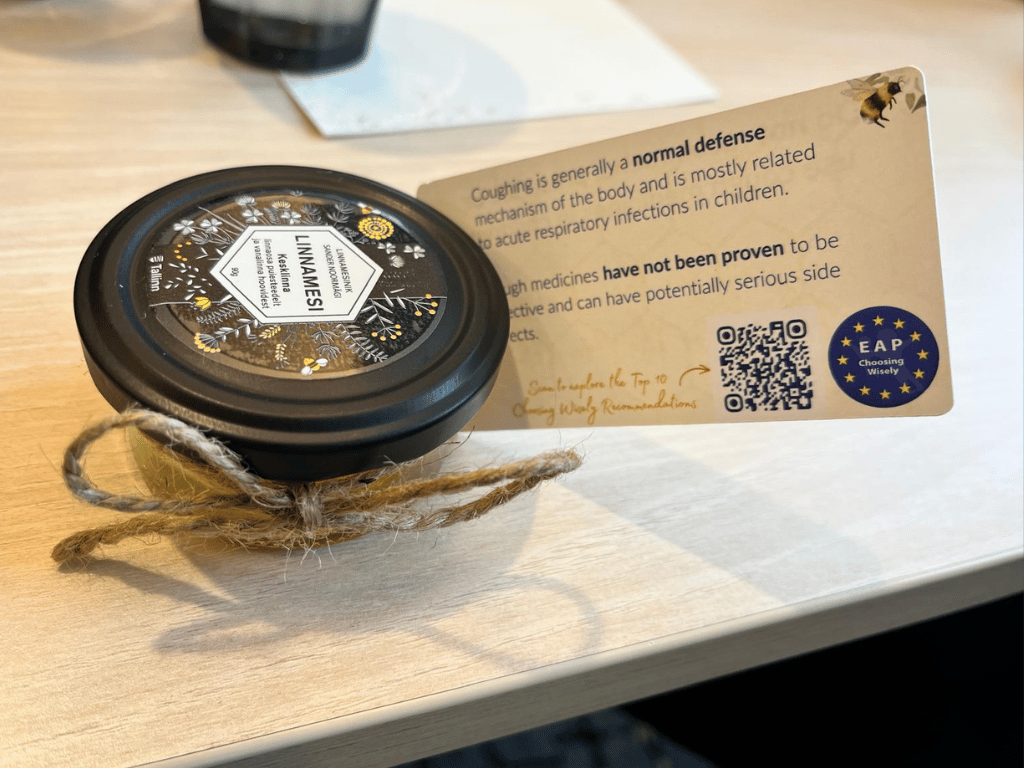
Delegates received a special gift from Choosing Wisely with a reminder: “Syrup for the Shelf, Honey for the Health!”, one of the top 10 Choosing Wisely Recommendations.
A meeting shaped by people, place and purpose
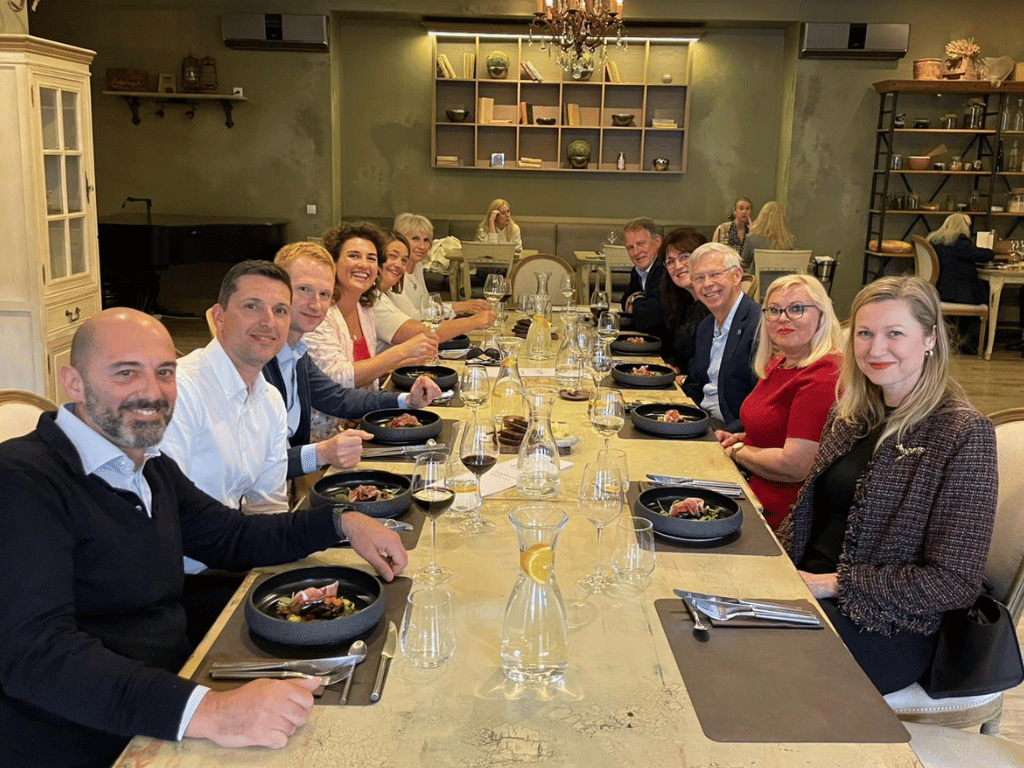
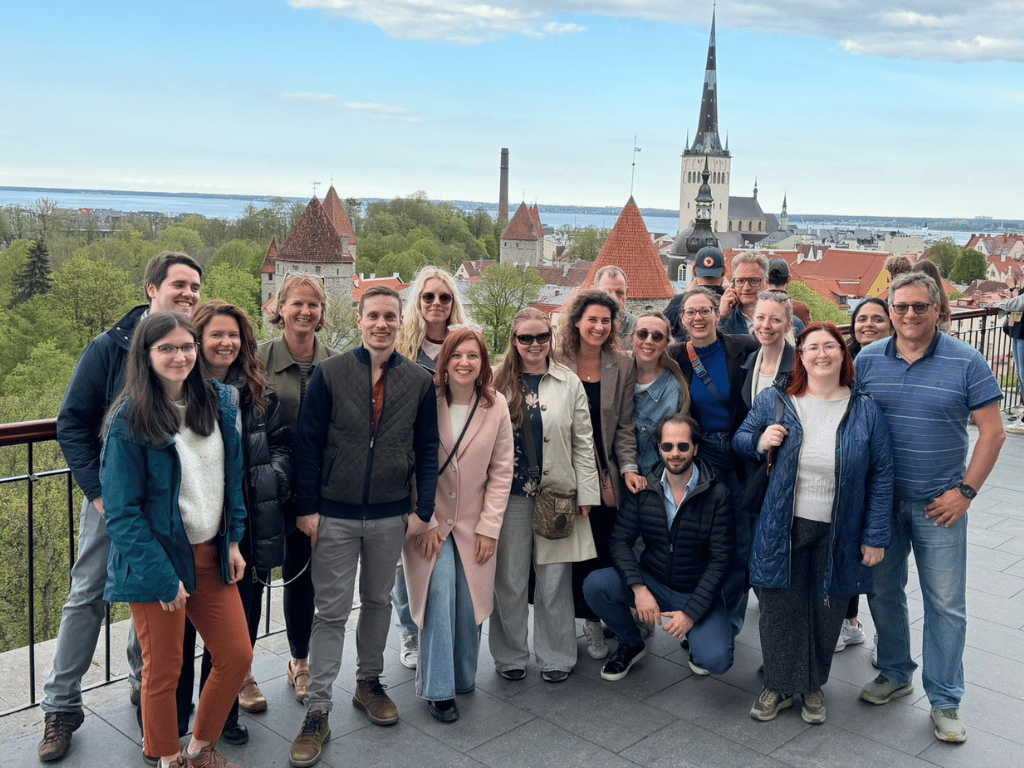
Beyond the formal agenda, the Tallinn Spring Meeting was also a reminder of the value of meeting in person. The dedicated discussion tables, informal exchanges, city dinner, hospital visit and Tallinn Talks session all created space for collaboration that often begins between agenda items: a new contact, a possible project, a survey partnership, a young colleague invited to join, or a national society encouraged to take part in a European initiative.
Tallinn provided an inspiring setting for these conversations. The collaboration with the City of Tallinn and the Estonian Paediatric Association showed how local leadership and European paediatric expertise can come together around a shared question: how can we create healthier environments for children?
EAP is grateful to all participants, chairs, delegates, working group representatives, local hosts, volunteers and partners who contributed to the success of the meeting. The Spring Meeting in Tallinn will be remembered not only for its decisions and updates, but for its atmosphere of collaboration, its focus on healthier cities, and its strong message that paediatricians have an essential role to play wherever children live, learn, grow and thrive.
Thank you, Tallinn, for hosting EAP with warmth, vision and purpose. The conversations started in Estonia will continue across Europe.
Meeting Minutes, Presentation slides and notes will be published in the EAP Member Area, once ready.
Coordinating Research and Evidence for Medical Devices (CORE-MD)
New ways to test high-risk medical devices.
Manufacturers of medical devices need to test their products before being allowed to market them. Specifically, they require clinical data showing their medical device is safe and efficient. In this context, the EU-funded CORE-MD project will translate expert scientific and clinical evidence on study designs for evaluating high-risk medical devices into advice for EU regulators. The project will propose how new trial designs can contribute and suggest ways to aggregate real-world data from medical device registries.
It will also conduct multidisciplinary workshops to propose a hierarchy of levels of evidence from clinical investigations, as well as educational and training objectives for all stakeholders, to build expertise in regulatory science in Europe. CORE–MD will translate expert scientific and clinical evidence on study designs for evaluating high-risk medical devices into advice for EU regulators, to achieve an appropriate balance between innovation, safety, and effectiveness. A unique collaboration between medical associations, regulatory agencies, notified bodies, academic institutions, patients’ groups, and health technology assessment agencies, will systematically review methodologies for the clinical investigation of high-risk medical devices, recommend how new trial designs can contribute, and advise on methods for aggregating real-world data from medical device registries with experience from clinical practice The consortium is led by the European Society of Cardiology and the European Federation of National Associations of Orthopaedics and Traumatology, and involves all 33 specialist medical associations that are members of the Biomedical Alliance in Europe.