20-22 August 2026
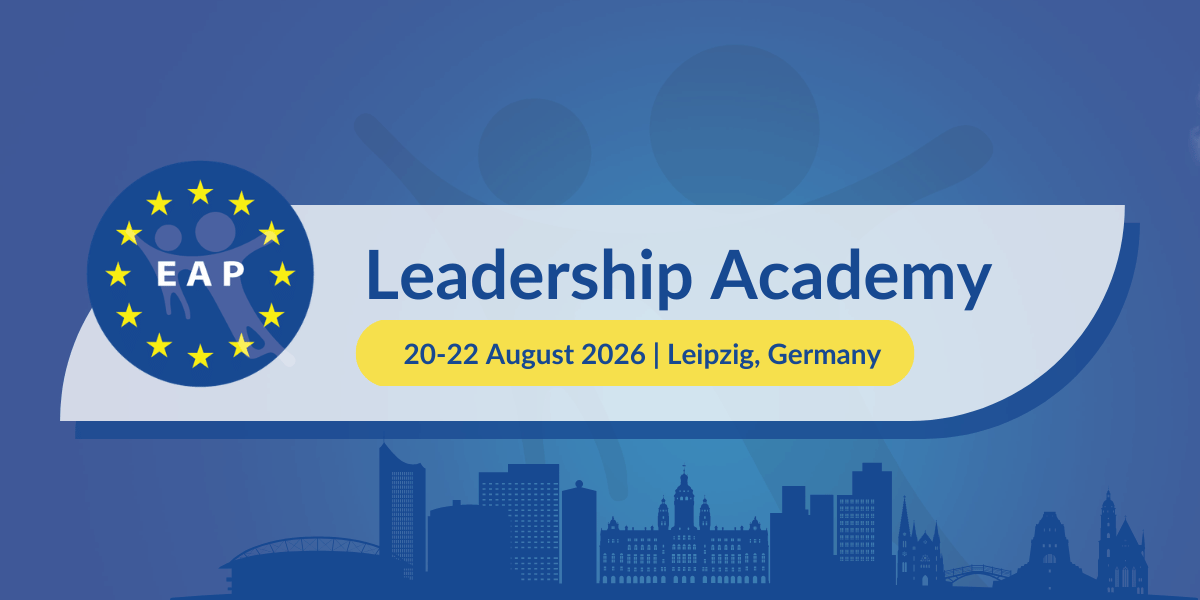
The European Academy of Paediatrics (EAP) invites you to an exceptional opportunity to strengthen and advance your leadership journey. Join peers and mentors from across Europe for three dynamic days of interactive learning, skill-building, strategic discussion, and professional networking in one of Germany’s most vibrant cities.
Designed for both emerging and established paediatric leaders, the EAP Leadership Academy brings together the next generation of changemakers alongside experienced senior voices. The programme is created to support leadership development at every stage, helping participants refine essential leadership competencies, strengthen influence, and drive meaningful change across the healthcare landscape.
Paediatric professionals committed to advancing child health and strengthening paediatric care at local, national, and European level.
Active members of national or European paediatric organisations, scientific societies, and professional paediatric networks.
Paediatricians involved in, or preparing for, leadership roles in advocacy, policy development, education, regulation, and public communication.
Senior paediatric leaders interested in mentoring, strategic exchange, and fostering collaboration across generations of leadership within paediatrics.
Paediatric residents, trainees, early-career paediatricians, and senior paediatricians with current or future leadership responsibilities.
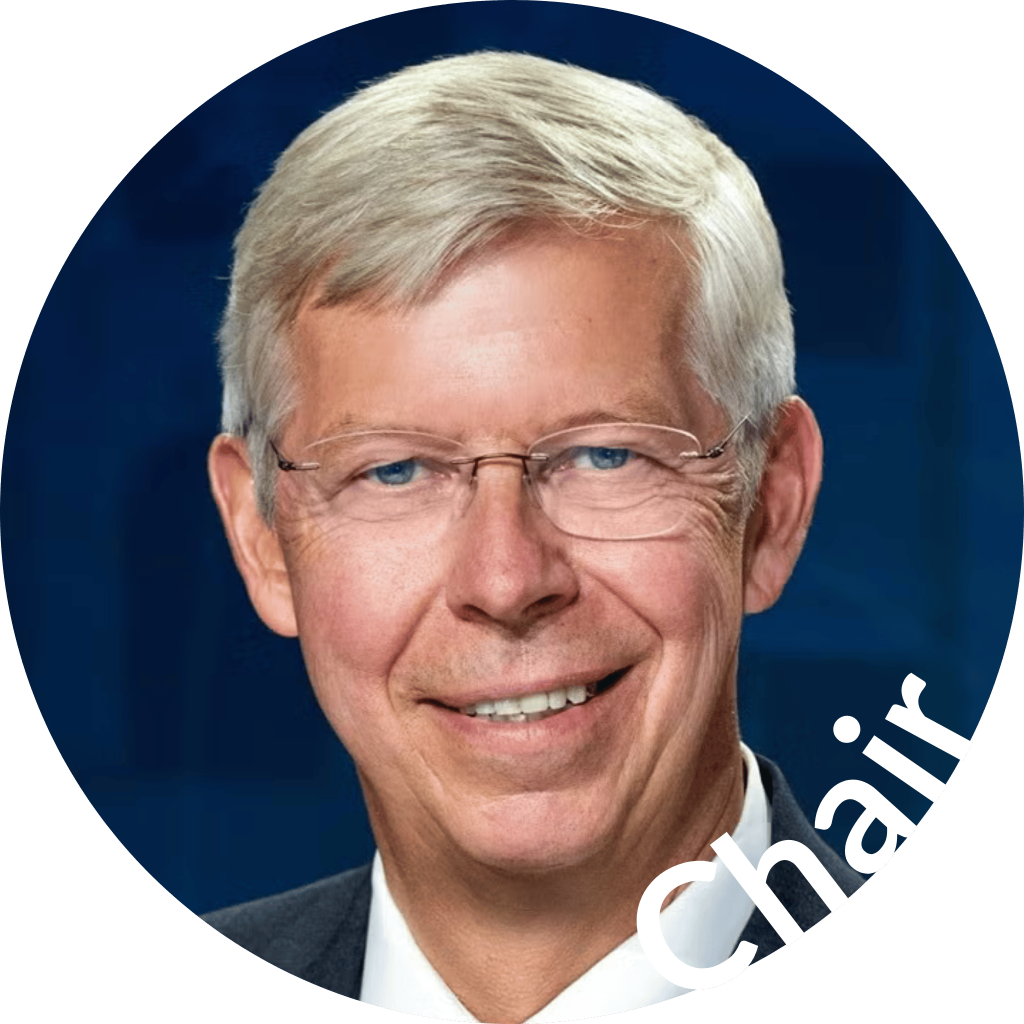
Berthold Koleltzko
Germany
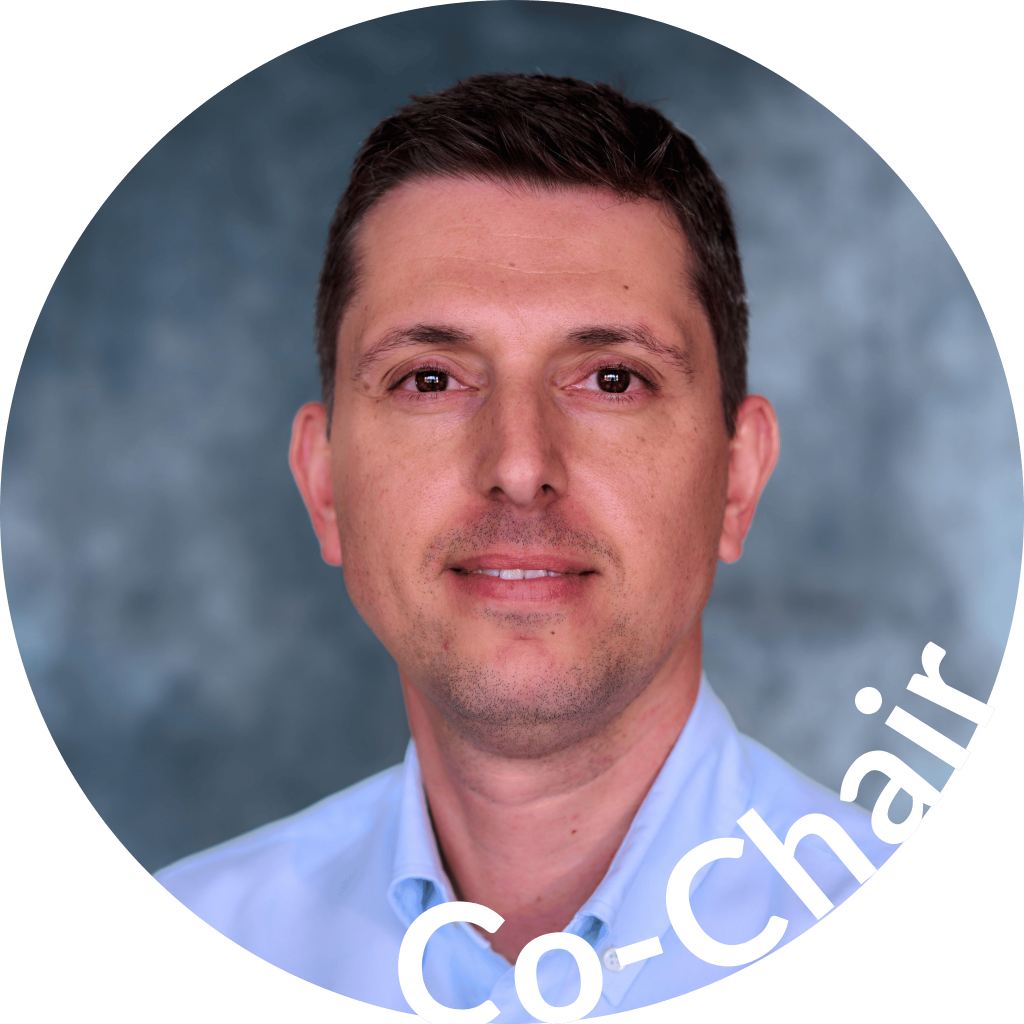
Mark Buttigieg
Malta
Applying for the EAP Leadership Academy 2026 is straightforward. Please follow the steps below to complete your application:
Please prepare the following documents / information:
Applications will be reviewed by an EAP panel composed of senior representatives involved in the Leadership Academy programme. The panel will assess each application based on a combination of professional background, leadership potential, and the overall aim of ensuring balanced representation across Europe.
Selection will take into account:
A maximum of 25 participants will be selected for the programme. All applications will be reviewed carefully to ensure a fair, transparent, and diverse selection process aligned with the goals of the Leadership Academy.
Bursary Support
A limited number of travel bursaries will be available for selected participants of the Leadership Academy. These bursaries are intended to support equitable access and wider participation across Europe by helping to reduce financial barriers to attendance.
Bursary allocation will be considered alongside the Leadership Academy application and selection process. Priority may be given to applicants from countries or regions with more limited access to professional development funding, while also taking into account merit, motivation, leadership potential, and the overall balance of the participant group.
✔️ Full access to all training sessions and Academy activities
✔️ Accommodation for 2 nights (20–21 August) at the Radisson Blu Hotel Leipzig
✔️ Networking opportunities with peers and expert faculty
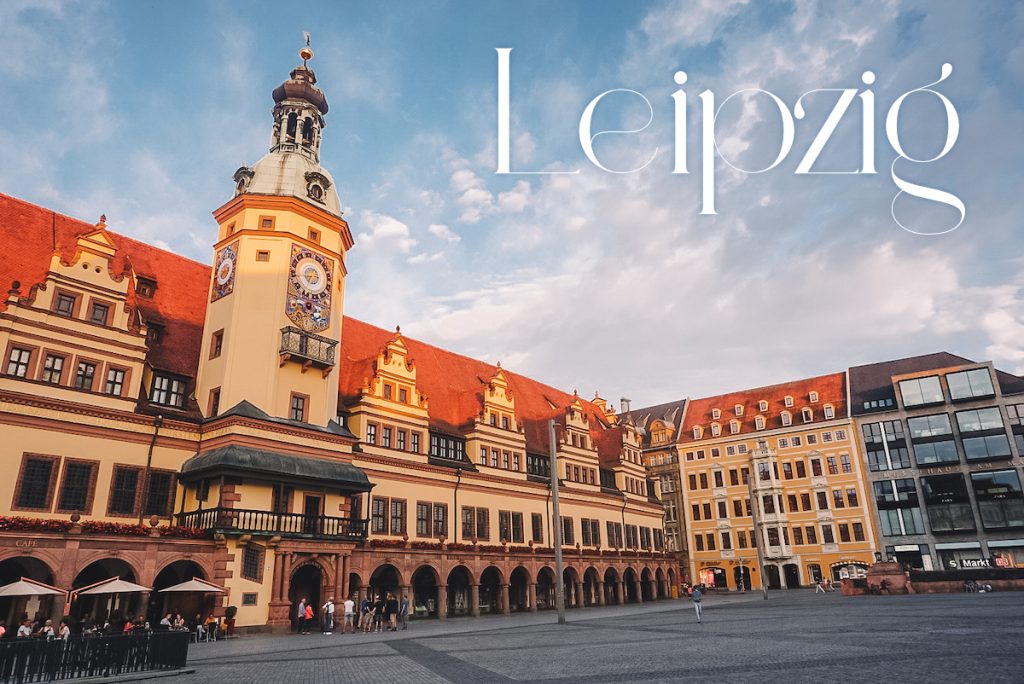
20.08.2026 – Arrival and Welcome
Time | Details |
Afternoon/evening | Arrival and Check-In |
19:30–21:30 | Informal participant dinner
|
21.08.2026 Day 1 – Core Leadership & Communication Skills
Time | Details |
08:45–09:00 | Arrival & Coffee |
09:00–09:25 | Welcome & Framing: Leadership in European Child Health Format: Interactive plenary (not a lecture) Activity flow 5 min – Opening Address Berthold Koletzko & Mark Buttigieg What EAP leadership looks like in practice. Leadership as responsibility, not title EAP Advocacy – why and how? Concept and programme of the Leadership Academy 5 min – Slido Poll |
09:25-10-10 | Workshop A – Framing Introduction, background, key information on the topic, discussion |
10:10 – 10:40 | Break |
10:40-11:25 | Workshop B – Framing Introduction, background, key information on the topic, discussion |
11:25-12:10 | Workshop C – Framing Introduction, background, key information on the topic, discussion |
12:10-12:20 | Housekeeping, Flow of Workshops & Questions |
12:20-13:30 | Lunch Break |
13:30-15:30 | Workshops A & B & C (Rotations Session 1) Workshops A, B and C run in parallel. Participants are divided into three groups and rotate to attend workshops. |
15:30-16:00 | Break |
16:00–18:00 | Workshops A & B & C (Rotations Session 2) Workshops A, B and C run in parallel. Participants are divided into three groups and rotate to attend workshops. |
18:00–19:00 | Free Time |
19:00 | Networking Dinner at Melia Rooftop Bar |
22.08.2026 Applied Leadership, Advocacy & Institutional Reality
Time | Details |
09:15–08:30 | Arrival & morning coffee |
08:30-10:00 | European Paediatric Advocacy Activities – Examples and Learnings (30 min) A reflective plenary on how paediatric leaders can engage in advocacy based on real experiences.
How to Successfully Message the Needs of Children to EU Policymakers; Can We (Paediatricians) Contribute? (30 min) Prof. Sanja Kolacek
Panel discussion with both speakers (30 min) |
10:00-10:30 | Break |
10:30-12:30 | Workshops A & B & C (Rotations Session 3 ) Workshops A, B and C run in parallel. Participants are divided into three groups and rotate to attend workshops. |
12:30-13:30 | Next Steps and how to go forward Putting what we have learnt into practice |
13:30–13:45 | Closing Remarks |
13:45–14:45 | Farewell Lunch |
The EAP Leadership Academy faculty includes trailblazing advocates, and experienced leaders who have been influential on the EU-level.
They’re here to challenge, guide, and inspire you to become the next voice of paediatrics in Europe.

Gökşen Çalışkan
Media & Policy Communications Consultant, Senior B2B advisor at Euractiv
Gökşen Çalışkan, a seasoned media and communications professional with over 15 years of experience, brings extensive experience in EU affairs and news media. As a senior advisor at Euractiv, a leading media outlet specializing in EU policies, she focuses on strategic partnerships and policy communication, excelling at navigating complex international environments and strengthening connections with EU stakeholders. Recognized as one of Belgium’s 40 Under 40 for her leadership in communications, Gökşen also dedicates her time to volunteer work with Restless Brussels, connecting Brussels’ international community with local realities.

Peggy Diby
Global Head of Corporate Affairs & Internal Engagement of Nutrition Strategic Division at Nestlé (from pre-conception to healthy longevity) | Vevey, Vaud, Switzerland
Peggy leads global advocacy and stakeholder engagement for Nestlé’s Nutrition Division with a strong focus on equity, sustainability, and women’s health. With over 20 years of experience in the agrifood sector, she has championed corporate strategies that integrate corporate social responsibility into business operations.
She has been a vocal advocate for delivering positive social impact across the value chain and is committed to creating safe, dignified, and empowering environments for women at every stage of life. Peggy is also an active mentor and speaker, advocating for reproductive justice and inclusive business leadership. Her leadership embodies the belief that corporate action is essential to achieving reproductive justice and building a future where no woman must choose between her health and her work.

Andrew Manasseh
Managing Director at Communicating Europe+ Ltd.
Andrew Manasseh has over 25 years experience in management and strategic communications in Europe, Asia, the Middle East and Africa. He worked in management for 15 years with the British Council (UK Foreign Office) and was responsible for regional business development. He has trained senior level officials from international organisations and governments including the US Department of State, the UK Foreign Office, the European Commission, the United Nations and the European Investment Bank. He also advises governments and organisations on strategic communications including AMCHAM EU, CEN CENELEC and Digital Europe.
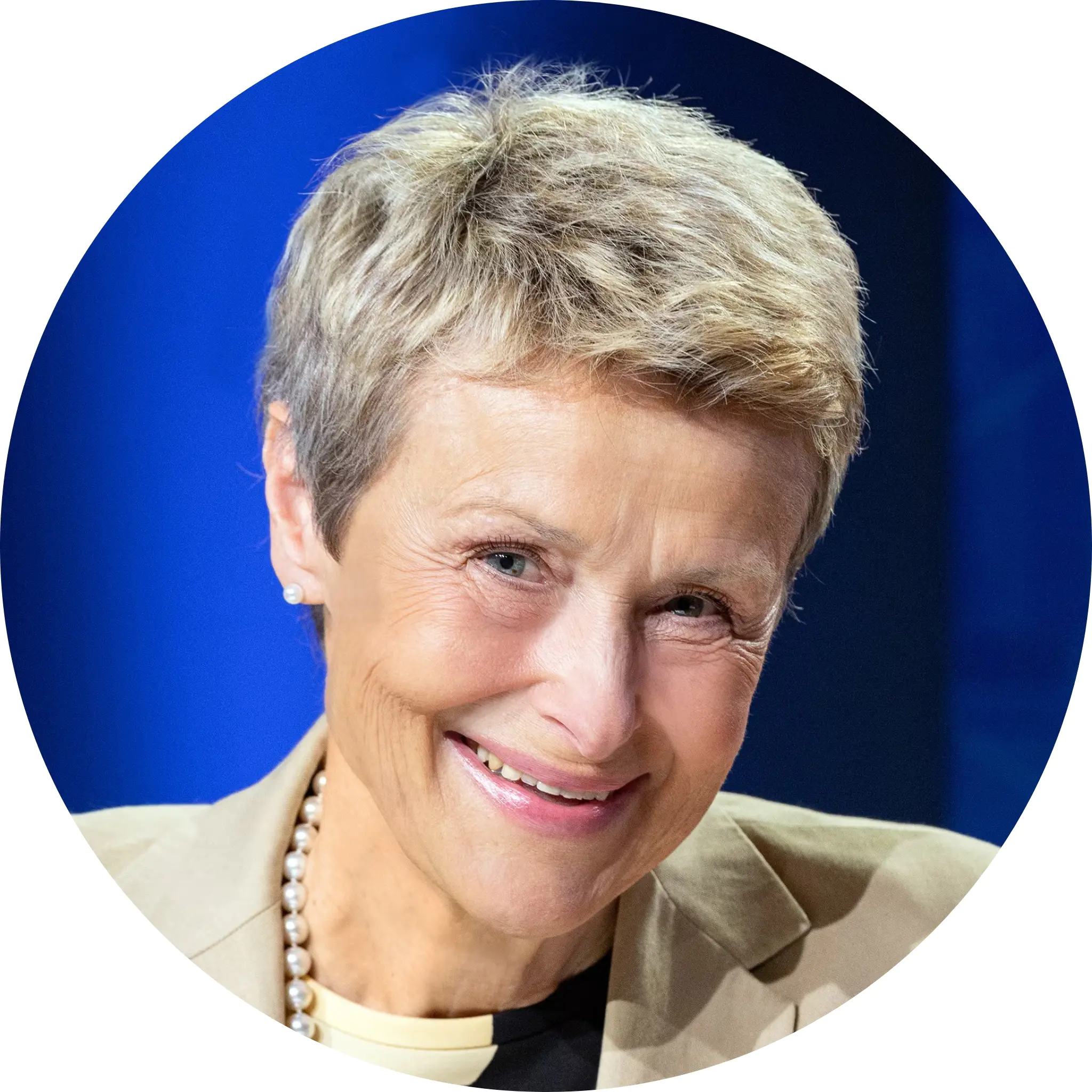
Sanja Kolaček
Professor of Paediatrics, Medical University of Zagreb, Croatia
Former Head, University Department of Paediatrics, Children’s Hospital
Prof. Sanja Kolaček is an internationally recognised expert in paediatric gastroenterology, based in Zagreb, Croatia. She is Professor of Paediatrics at the Medical University of Zagreb, where she also completed her Master of Science and PhD degrees. Until her retirement in 2022, she served as Head of the University Department of Paediatrics at the Children’s Hospital Zagreb and led the Croatian Referral Centre for Paediatric Gastroenterology and Nutrition.
Prof. Kolaček was President of the European Society for Paediatric Gastroenterology, Hepatology and Nutrition (ESPGHAN) from 2019 to 2022 and now serves as the society’s Liaison Officer. She has contributed extensively to the advancement of her field through European research initiatives, expert advisory roles, and scientific collaborations.
A prolific author and speaker, Prof. Kolaček has published over 300 papers in peer-reviewed journals and has delivered more than 250 invited lectures at major international scientific meetings. She has also served as Associate Editor for the Journal of Pediatric Gastroenterology and Nutrition and continues to contribute to several editorial boards and peer-review panels.
This workshop focuses on helping participants communicate paediatric topics clearly, confidently, and effectively in public-facing settings.
Paediatricians are often required to explain complex medical issues not only to colleagues, but also to journalists, parents, policymakers, conference audiences, and the wider public. This requires a different communication approach from academic or clinical discussions.
The session will explore how to translate scientific and clinical knowledge into simple, accessible messages that are accurate, relevant, and easy to understand – particularly when topics are sensitive, misunderstood, or emotionally charged.
Participants will practise responding to realistic communication scenarios, such as explaining public health topics, addressing challenging questions, and handling situations where media coverage and public understanding may not be fully aligned.
The workshop may include short interview-style exercises, mock media interactions, public-speaking scenarios, and peer discussion, with a strong emphasis on practical application rather than theory.
Each participant will leave with:
Andrew Manasseh
Managing Director at Communicating Europe+ Ltd.
Andrew Manasseh has over 25 years experience in management and strategic communications in Europe, Asia, the Middle East and Africa. He worked in management for 15 years with the British Council (UK Foreign Office) and was responsible for regional business development. He has trained senior level officials from international organisations and governments including the US Department of State, the UK Foreign Office, the European Commission, the United Nations and the European Investment Bank. He also advises governments and organisations on strategic communications including AMCHAM EU, CEN CENELEC and Digital Europe.
This workshop focuses on helping participants strengthen their ability to advocate effectively for child health by turning expertise into meaningful influence.
Paediatricians often have strong clinical knowledge and clear concerns about the challenges facing children’s health, but translating that knowledge into policy impact requires a different set of skills. Effective advocacy means understanding how decisions are made, how messages are received, and where professionals can create real influence.
The session will explore how to move from awareness to action by developing clear policy asks, refining concise advocacy messages, and understanding how healthcare decisions are shaped at national and European level.
Participants will work on practical advocacy communication, learning how to present evidence in a way that is realistic, persuasive, and useful for decision-makers, as well as examining how policy processes work in practice, including where paediatricians can contribute and where progress often stalls.
The workshop may include message development exercises, short advocacy pitches, policy mapping activities, and real-life case discussions, with a strong focus on practical application and confidence-building rather than theory.
Each participant will leave with:
Peggy Diby
Global Head of Corporate Affairs & Internal Engagement of Nutrition Strategic Division at Nestlé (from pre-conception to healthy longevity) | Vevey, Vaud, Switzerland
Peggy leads global advocacy and stakeholder engagement for Nestlé’s Nutrition Division with a strong focus on equity, sustainability, and women’s health. With over 20 years of experience in the agrifood sector, she has championed corporate strategies that integrate corporate social responsibility into business operations.
She has been a vocal advocate for delivering positive social impact across the value chain and is committed to creating safe, dignified, and empowering environments for women at every stage of life. Peggy is also an active mentor and speaker, advocating for reproductive justice and inclusive business leadership. Her leadership embodies the belief that corporate action is essential to achieving reproductive justice and building a future where no woman must choose between her health and her work.
This workshop is designed as a highly practical leadership simulation where participants respond to realistic crisis scenarios under time pressure.
Paediatric leaders are often well prepared for clinical emergencies, but far less prepared for communication crises involving media attention, public scrutiny, social media escalation, and institutional pressure. This session focuses on building confidence and decision-making skills in exactly those situations.
Participants will work through realistic scenarios where a public statement, clinical incident, or external event triggers rapid public attention and reputational risk. They will need to navigate uncertainty, conflicting stakeholder perspectives, and incomplete information while making leadership decisions in real time.
Through staged simulation exercises, participants will practise deciding who speaks, what is communicated, what should not be said, and how to coordinate a clear and credible response.
The emphasis is on learning by doing, with practical leadership decisions and communication challenges that reflect real-world professional situations.
Each participant will leave with:
Gökşen Çalışkan
Media & Policy Communications Consultant, Senior B2B advisor at Euractiv
Gökşen Çalışkan, a seasoned media and communications professional with Turkish roots, brings extensive experience in EU affairs and news media. As a senior advisor at Euractiv, a leading media outlet specializing in EU policies, she focuses on strategic partnerships and policy communication, excelling at navigating complex international environments and strengthening connections with EU stakeholders. Recognized as one of Belgium’s 40 Under 40 for her leadership in communications, Gökşen also dedicates her time to volunteer work with Restless Brussels, connecting Brussels’ international community with local realities.
The EAP Leadership Academy 2026 is proudly supported by:

Increasing the positive impact of nutrition.

Transforming the practice of medicine through breakthrough science.

New ways to test high-risk medical devices.
Manufacturers of medical devices need to test their products before being allowed to market them. Specifically, they require clinical data showing their medical device is safe and efficient. In this context, the EU-funded CORE-MD project will translate expert scientific and clinical evidence on study designs for evaluating high-risk medical devices into advice for EU regulators. The project will propose how new trial designs can contribute and suggest ways to aggregate real-world data from medical device registries.
It will also conduct multidisciplinary workshops to propose a hierarchy of levels of evidence from clinical investigations, as well as educational and training objectives for all stakeholders, to build expertise in regulatory science in Europe. CORE–MD will translate expert scientific and clinical evidence on study designs for evaluating high-risk medical devices into advice for EU regulators, to achieve an appropriate balance between innovation, safety, and effectiveness. A unique collaboration between medical associations, regulatory agencies, notified bodies, academic institutions, patients’ groups, and health technology assessment agencies, will systematically review methodologies for the clinical investigation of high-risk medical devices, recommend how new trial designs can contribute, and advise on methods for aggregating real-world data from medical device registries with experience from clinical practice The consortium is led by the European Society of Cardiology and the European Federation of National Associations of Orthopaedics and Traumatology, and involves all 33 specialist medical associations that are members of the Biomedical Alliance in Europe.