Statements & Publications

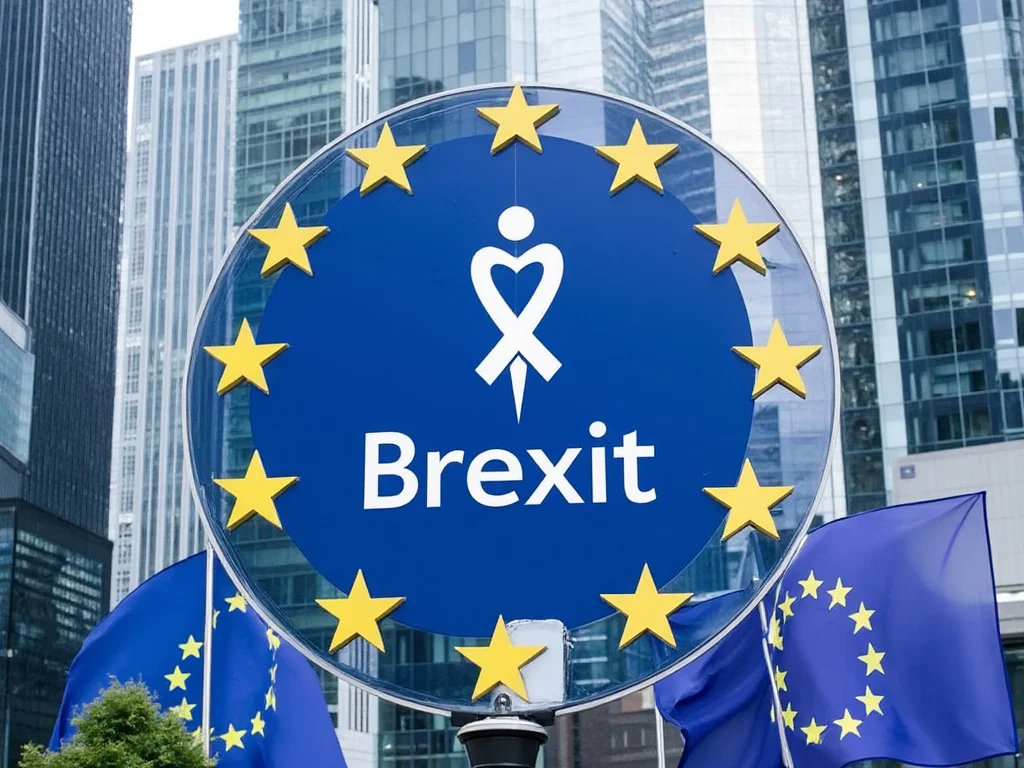
“Brexit is bad for health, and doctors should say so”. Neena Modi, president of the Royal College of Paediatrics and Child Health (RCPCH) in the UK, argued in a recent personal view in the British Medical Journal that leaving the EU…
APRIL 2023 WORLD IMMUNIZATION WEEK “WORLD IMMUNIZATION WEEK In 2023 a lot still revolves around Coronavirus pandemic and the new available COVID-19 vaccines.But it is still important to stay on track with basic immunization!” During the pandemic, vaccination…

March 2023 Patient Safety Awareness Week March 12th – 18th marked Patient Safety Awareness Week. The World Health Organisation (WHO) estimates that the occurrence of adverse events due to unsafe care is likely one of the 10 leading causes of death and…
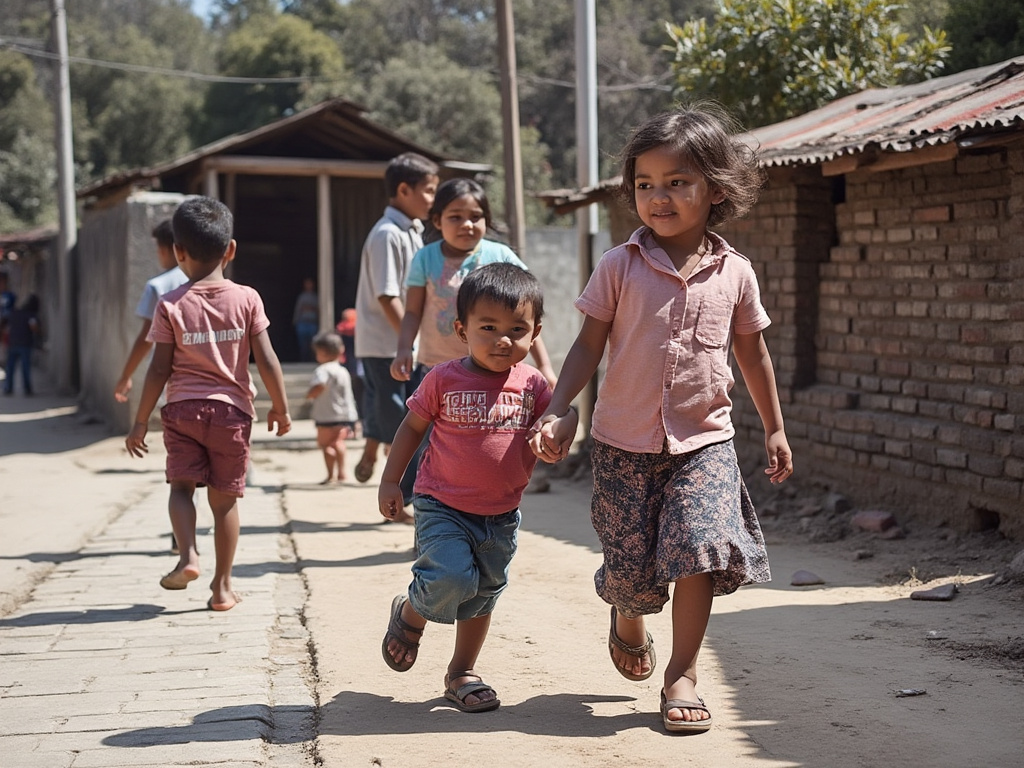
OCTOBER 2022 Children on the move – 3 years on. In 2019 the Young European Academy of Paediatrics (YEAP) authored a blog on children on the move, advocating for European policymakers to prioritise an inclusive approach for these children from both a…
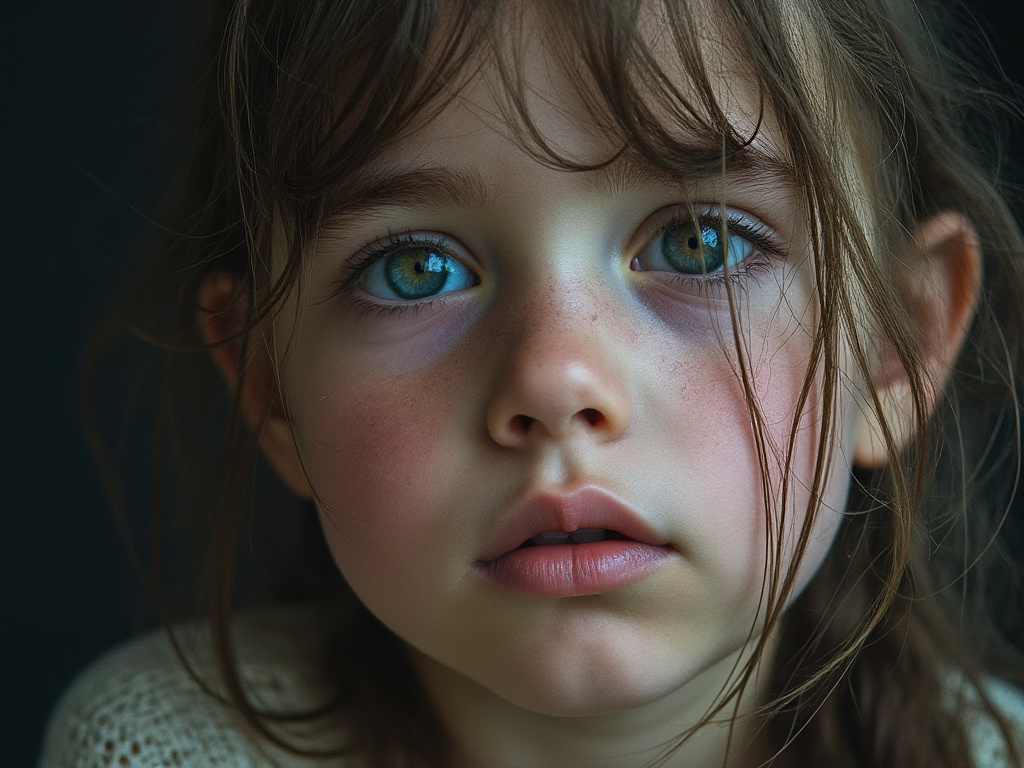
January 2023 Mental health problems of Ukrainian children in terms of Ukrainian-Russian war. The situation We would like to dedicate this post to World Mental Health Day which takes place on 10th of October and to raise problems of mental state of…

JULY 2022 Advocating for breastfeeding training amongst paediatricians and paediatric trainees. For the World Breastfeeding Week, Young EAP and EAP would like to promote the importance of breastfeeding training amongst healthcare…

may 2022 Obesity: a key public health challenge of the 21st century. Childhood obesity presents a major public health challenge, with the worldwide prevalence having increased more than 8-fold over the last 4 decades (1). It is estimated…

February 2023 Child and family needs in pediatric palliative care – how can physicians and trainees assist? According to the World Health Organization (WHO) palliative care is defined as “an approach that improves the quality of…