Childhood and adolescent obesity remains one of the most pressing public health challenges across Europe, with important physical, metabolic and psychosocial consequences.
The European Academy of Paediatrics (EAP), together with the European Childhood Obesity Group (ECOG), the European Paediatric Obesity Research Network (eprObes / EPROBESE), and the European Confederation of Primary Care Paediatricians (ECPCP), is continuing its three-part webinar series dedicated to childhood obesity.
The series follows the full clinical pathway: from understanding the scale and causes of childhood obesity, through identification and management in primary care, to more individualised approaches to prevention and treatment.
Webinar 3: Childhood Obesity Part III – From Prevention to Personalised Treatment
The third and final webinar in the series will focus on the transition from prevention to more personalised approaches to childhood obesity care.
The programme will include three expert presentations:
Together, the presentations will explore how diagnosis, physical activity, nutrition and individual health needs can inform more targeted approaches to prevention and treatment.
The webinar is organised by the European Academy of Paediatrics (EAP) in collaboration with ECOG, eprObes / EPROBESE and ECPCP.
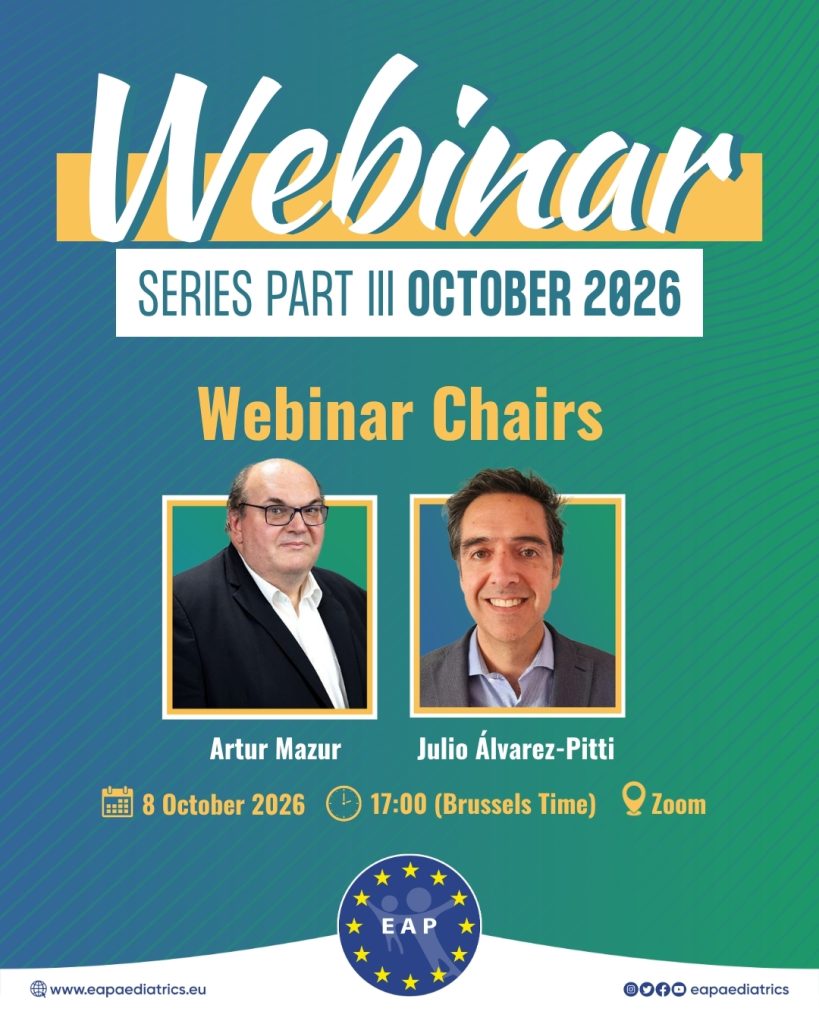
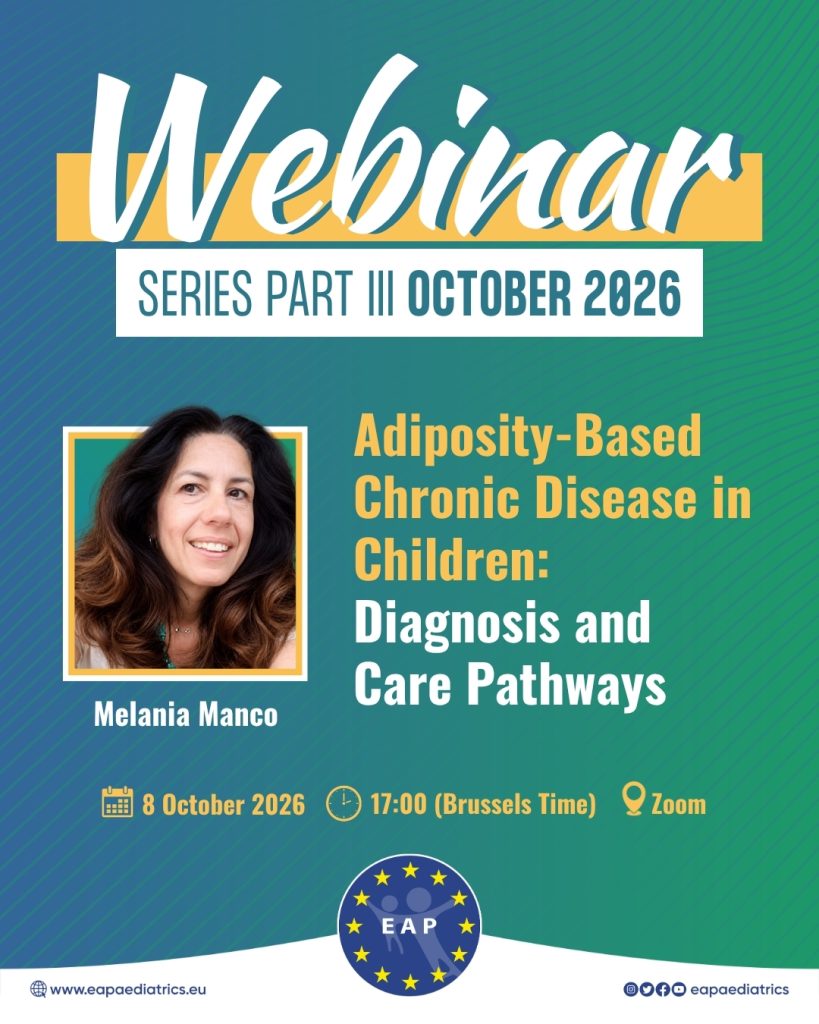
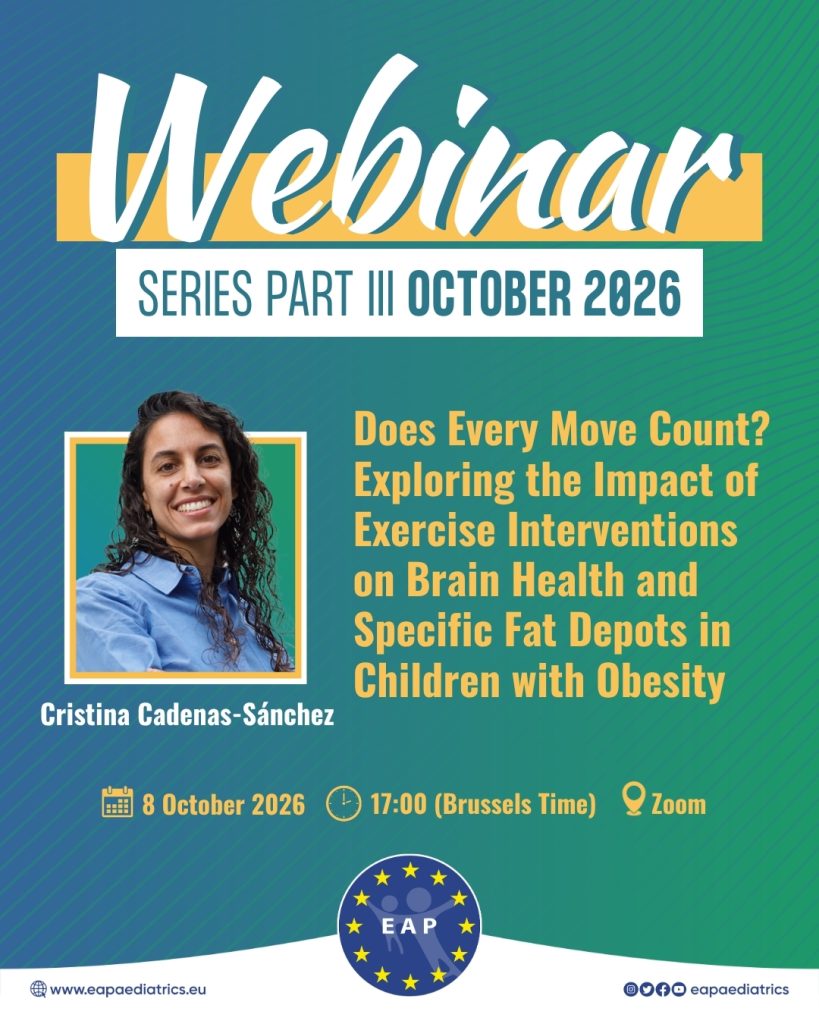
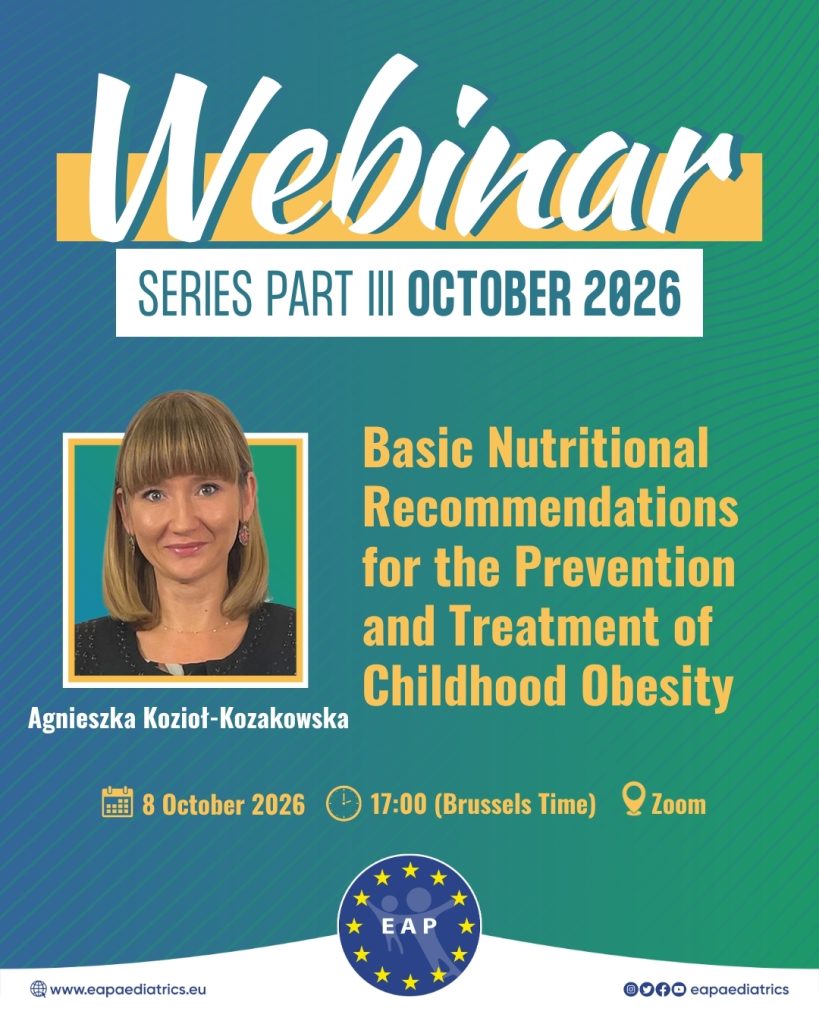
Recordings are available on the EAP Website post-event.
23 April 2026 @ 17:00 CEST
18 June 2026 @ 17:00 CEST
8 October 2026 17:00 CEST
🧠Learn. Connect. Inspire. 👶 Together, we protect every child’s right to a healthy future!

New ways to test high-risk medical devices.
Manufacturers of medical devices need to test their products before being allowed to market them. Specifically, they require clinical data showing their medical device is safe and efficient. In this context, the EU-funded CORE-MD project will translate expert scientific and clinical evidence on study designs for evaluating high-risk medical devices into advice for EU regulators. The project will propose how new trial designs can contribute and suggest ways to aggregate real-world data from medical device registries.
It will also conduct multidisciplinary workshops to propose a hierarchy of levels of evidence from clinical investigations, as well as educational and training objectives for all stakeholders, to build expertise in regulatory science in Europe. CORE–MD will translate expert scientific and clinical evidence on study designs for evaluating high-risk medical devices into advice for EU regulators, to achieve an appropriate balance between innovation, safety, and effectiveness. A unique collaboration between medical associations, regulatory agencies, notified bodies, academic institutions, patients’ groups, and health technology assessment agencies, will systematically review methodologies for the clinical investigation of high-risk medical devices, recommend how new trial designs can contribute, and advise on methods for aggregating real-world data from medical device registries with experience from clinical practice The consortium is led by the European Society of Cardiology and the European Federation of National Associations of Orthopaedics and Traumatology, and involves all 33 specialist medical associations that are members of the Biomedical Alliance in Europe.