
Childhood and adolescent obesity remains one of the most pressing public health challenges across Europe, with lasting physical, metabolic, and psychosocial consequences.
As part of a new educational initiative, the European Academy of Paediatrics (EAP), in collaboration with the European Childhood Obesity Group (ECOG), the European Paediatric Obesity Research Network (eprObese / EPROBESE), and the European Confederation of Primary Care Paediatricians (ECPCP), is launching a three-part webinar series supporting paediatricians across all levels of care.
The series follows a structured pathway — from understanding the problem, to practical management, and finally to the implementation of evidence-based tools in clinical practice.
Keep an eye on our website for details!
23 April 2026 @ 17:00 CEST
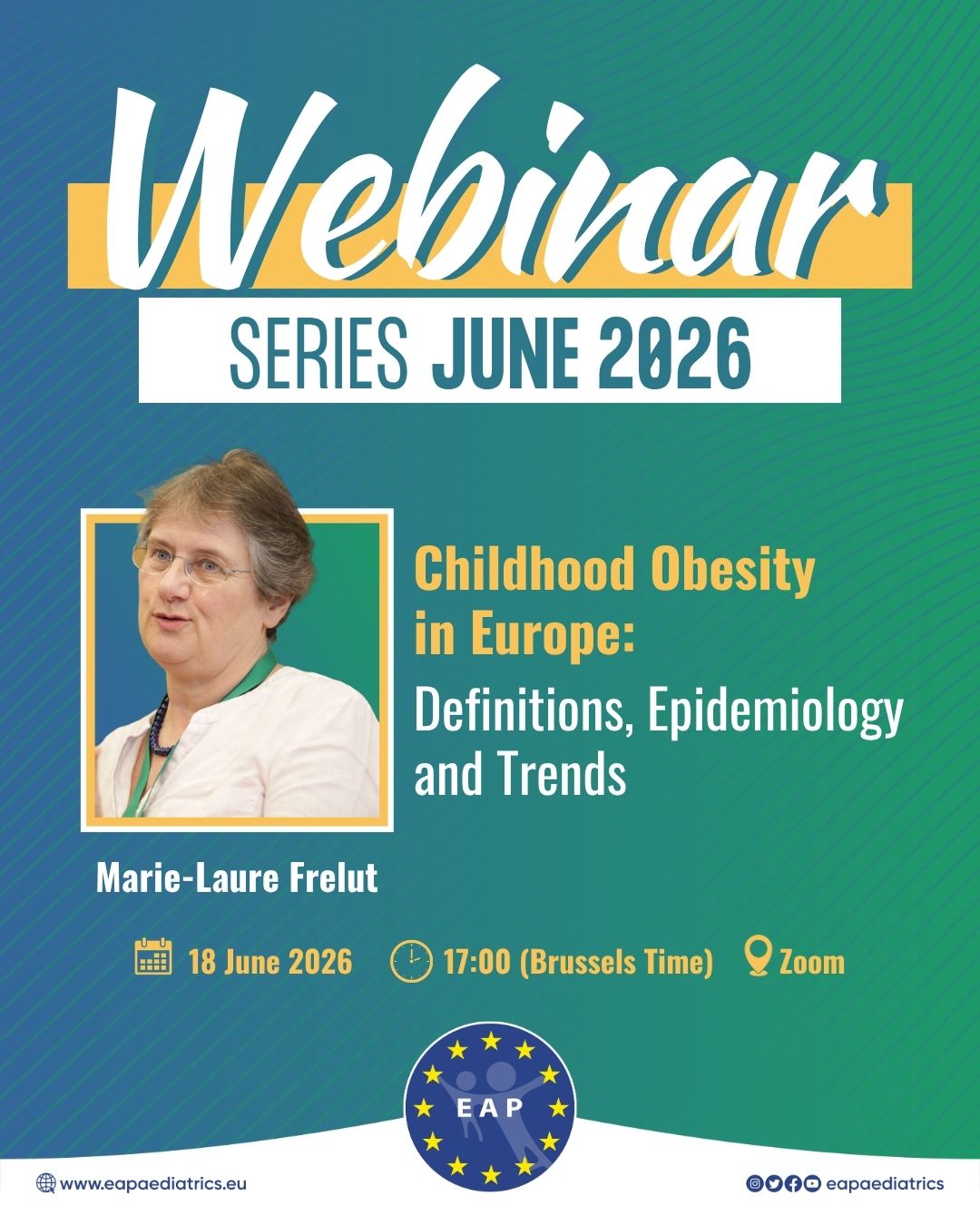
18 June 2026 @ 17:00 CEST
17 September 2026 17:00 CEST
Topics
Primary care plays a central role in the early identification, initial management, and long-term follow-up of childhood obesity. This second webinar in the EAP Childhood Obesity Webinar Series will focus on practical approaches for primary care paediatricians and other healthcare professionals working with children and adolescents. The session will explore definitions, epidemiology and trends, practical tools for identifying obesity in the primary care setting, and evidence-based management strategies. The webinar is organised by the European Academy of Paediatrics (EAP), together with the European Childhood Obesity Group (ECOG), the European Paediatric Obesity Research Network (eprObes), and the European Confederation of Primary Care Paediatricians (ECPCP).
🧠Learn. Connect. Inspire. 👶 Together, we protect every child’s right to a healthy future!
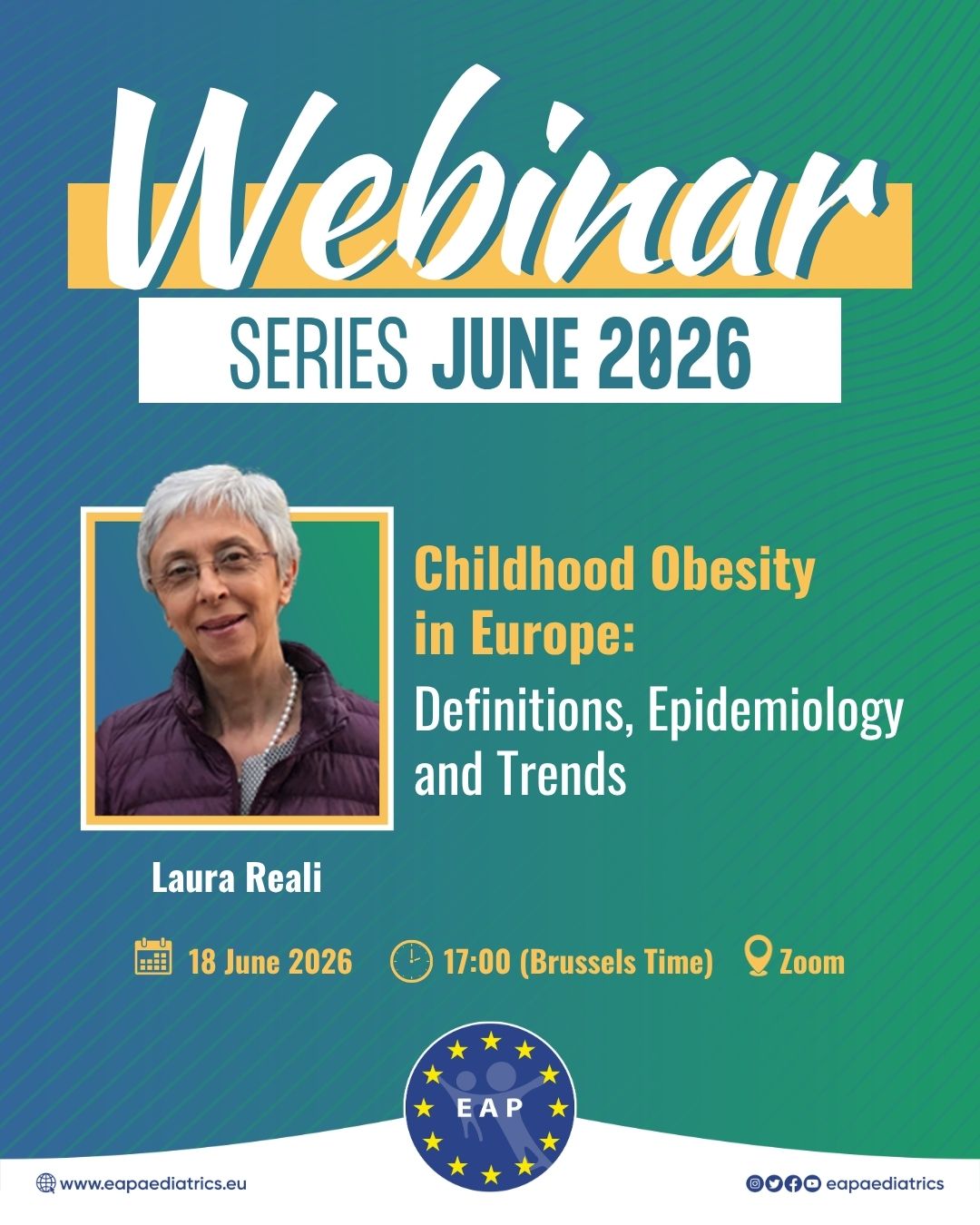
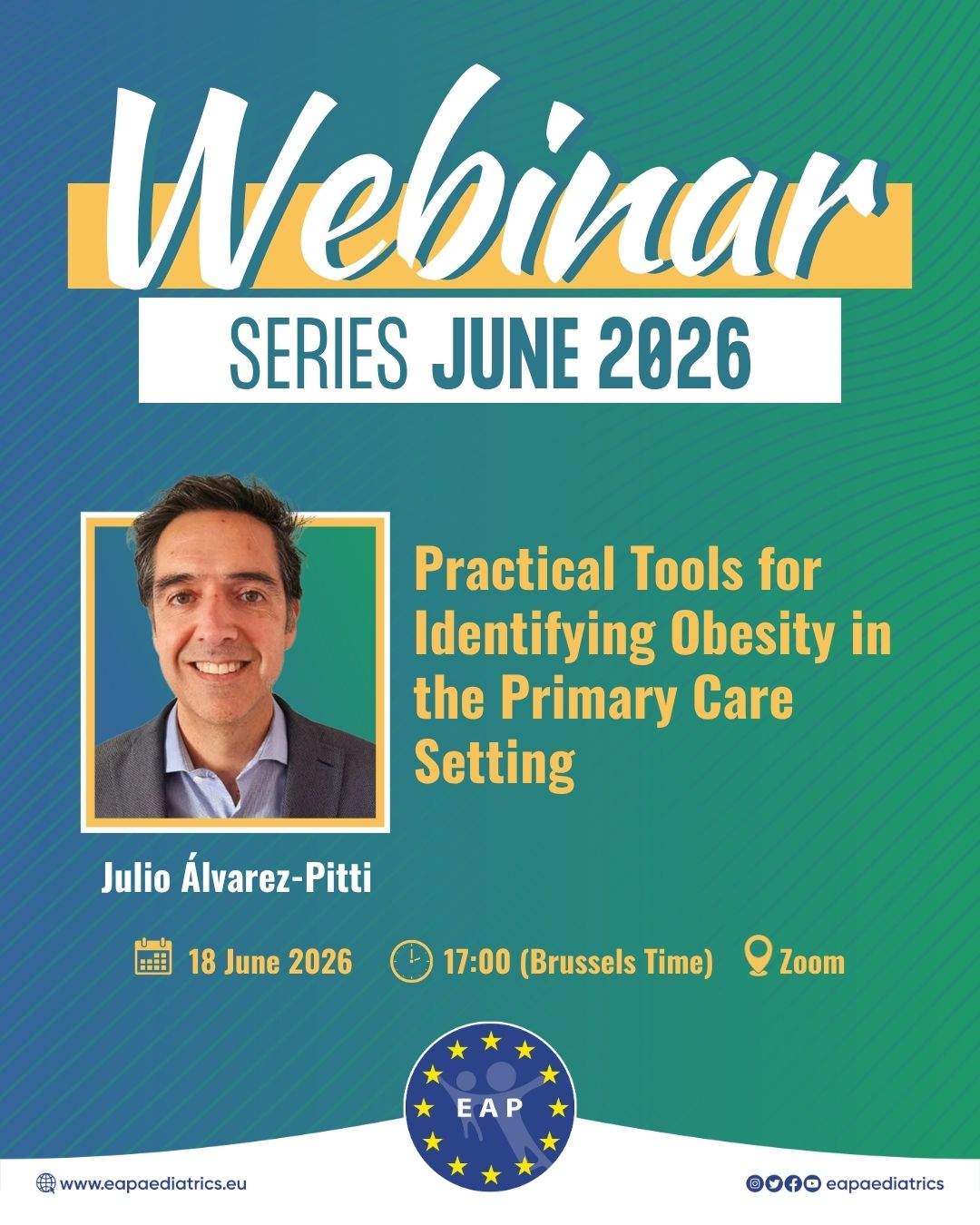
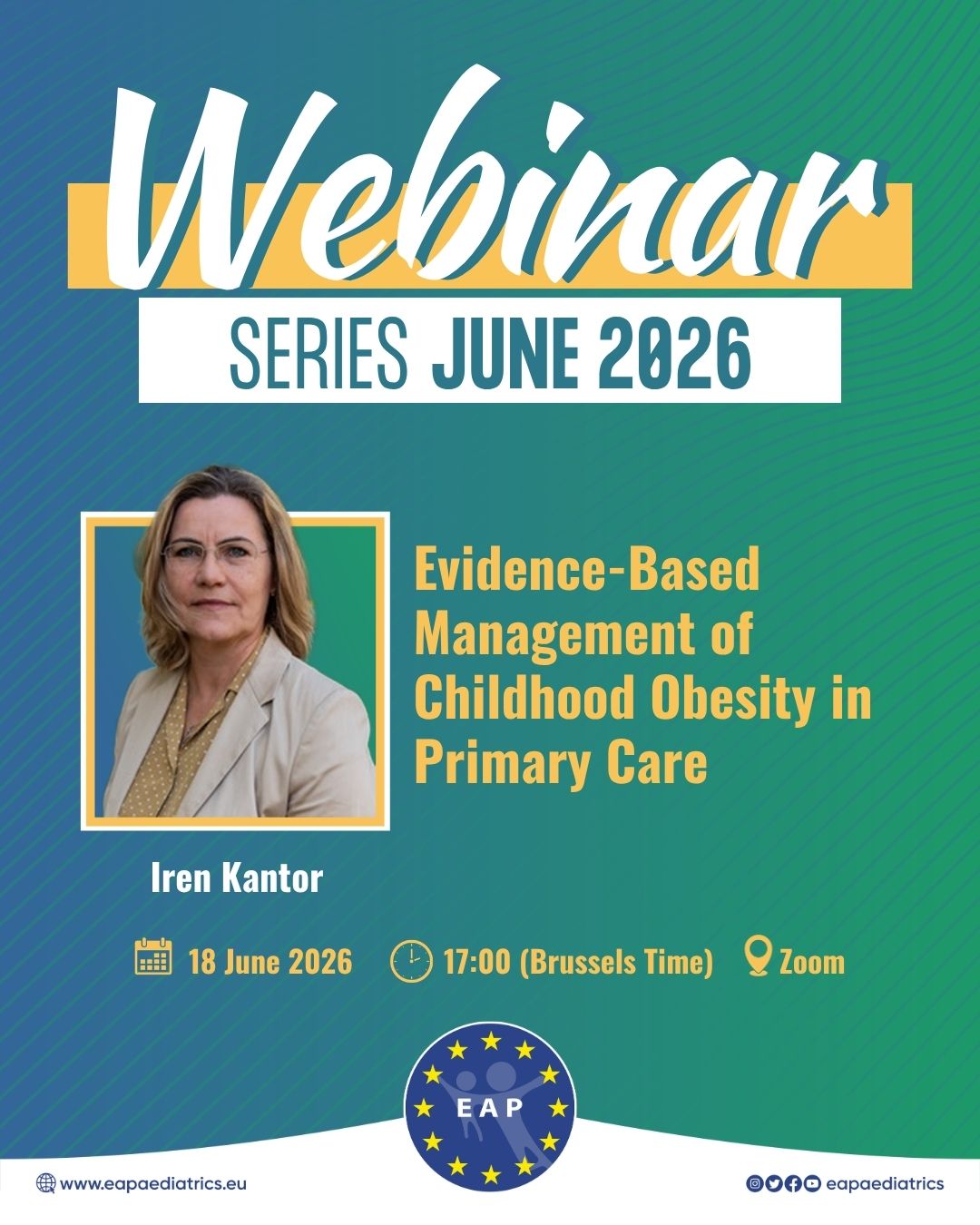
Meet the Speakers:

New ways to test high-risk medical devices.
Manufacturers of medical devices need to test their products before being allowed to market them. Specifically, they require clinical data showing their medical device is safe and efficient. In this context, the EU-funded CORE-MD project will translate expert scientific and clinical evidence on study designs for evaluating high-risk medical devices into advice for EU regulators. The project will propose how new trial designs can contribute and suggest ways to aggregate real-world data from medical device registries.
It will also conduct multidisciplinary workshops to propose a hierarchy of levels of evidence from clinical investigations, as well as educational and training objectives for all stakeholders, to build expertise in regulatory science in Europe. CORE–MD will translate expert scientific and clinical evidence on study designs for evaluating high-risk medical devices into advice for EU regulators, to achieve an appropriate balance between innovation, safety, and effectiveness. A unique collaboration between medical associations, regulatory agencies, notified bodies, academic institutions, patients’ groups, and health technology assessment agencies, will systematically review methodologies for the clinical investigation of high-risk medical devices, recommend how new trial designs can contribute, and advise on methods for aggregating real-world data from medical device registries with experience from clinical practice The consortium is led by the European Society of Cardiology and the European Federation of National Associations of Orthopaedics and Traumatology, and involves all 33 specialist medical associations that are members of the Biomedical Alliance in Europe.