ExPaedition 2025 at Children’s Memorial Health Institute, Warsaw
October 9, 2025
📘 ExPAEDition 2025 in Warsaw, Poland
📍 Location: Warsaw, Poland
🗓 Dates:
Observership: 13–15 October 2025
EAP Congress & MasterCourse: 16–19 October 2025
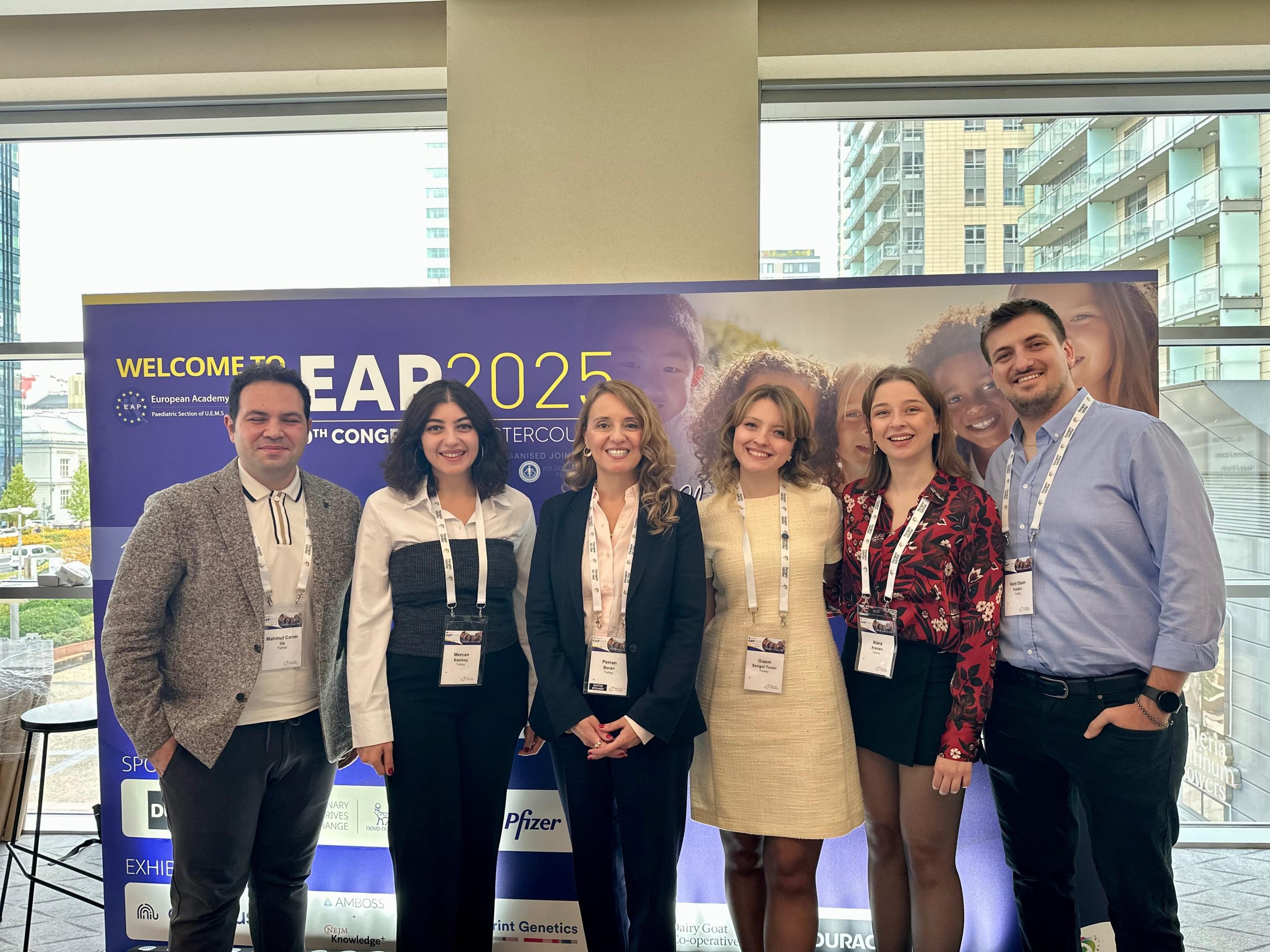
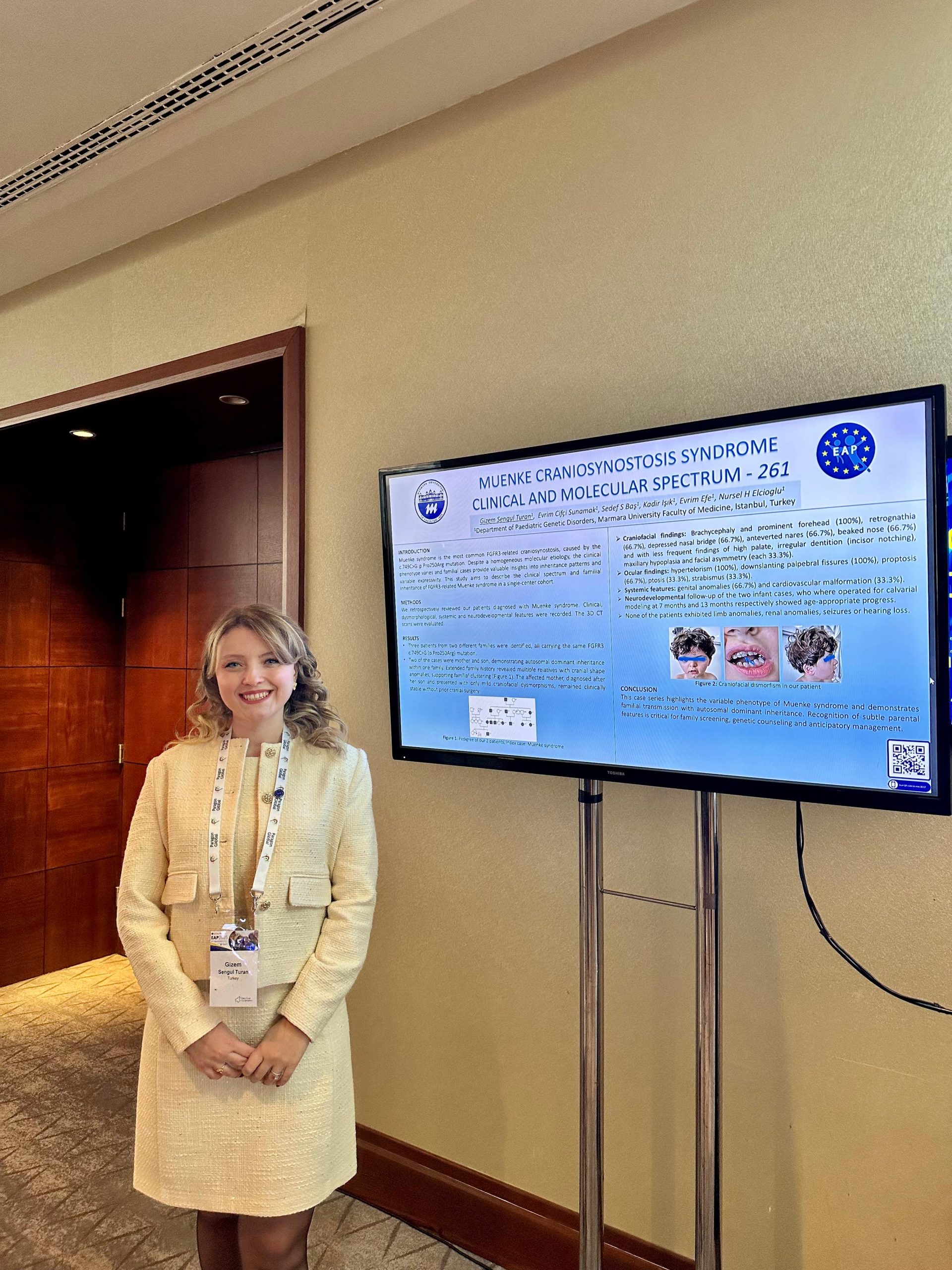
In October 2025, a new group of paediatric trainees came together in Warsaw for the ExPAEDition observership experience, combining clinical insight, international exchange, and the opportunity to connect within the wider EAP community.
Hosted at the Children’s Memorial Health Institute, participants spent several days immersed in a new clinical environment, gaining first-hand exposure to different healthcare approaches and strengthening their professional networks across Europe
Following the observership, participants joined the EAP Congress and MasterCourse, further enriching the experience through shared learning and discussion with colleagues from across the field.
Why ExPAEDition?
ExPAEDition is more than an observership. It is an opportunity for trainees to step into a new healthcare system, gain fresh perspectives, and build connections that continue long after the exchange ends.
“The exchange was an incredibly enriching experience for me, both professionally and personally. It gave me the opportunity to broaden my clinical perspective, learn from different healthcare systems and connect with inspiring colleagues from diverse backgrounds. I would highly recommend it to anyone considering applying.”
Coordinating Research and Evidence for Medical Devices (CORE-MD)
New ways to test high-risk medical devices.
Manufacturers of medical devices need to test their products before being allowed to market them. Specifically, they require clinical data showing their medical device is safe and efficient. In this context, the EU-funded CORE-MD project will translate expert scientific and clinical evidence on study designs for evaluating high-risk medical devices into advice for EU regulators. The project will propose how new trial designs can contribute and suggest ways to aggregate real-world data from medical device registries.
It will also conduct multidisciplinary workshops to propose a hierarchy of levels of evidence from clinical investigations, as well as educational and training objectives for all stakeholders, to build expertise in regulatory science in Europe. CORE–MD will translate expert scientific and clinical evidence on study designs for evaluating high-risk medical devices into advice for EU regulators, to achieve an appropriate balance between innovation, safety, and effectiveness. A unique collaboration between medical associations, regulatory agencies, notified bodies, academic institutions, patients’ groups, and health technology assessment agencies, will systematically review methodologies for the clinical investigation of high-risk medical devices, recommend how new trial designs can contribute, and advise on methods for aggregating real-world data from medical device registries with experience from clinical practice The consortium is led by the European Society of Cardiology and the European Federation of National Associations of Orthopaedics and Traumatology, and involves all 33 specialist medical associations that are members of the Biomedical Alliance in Europe.